



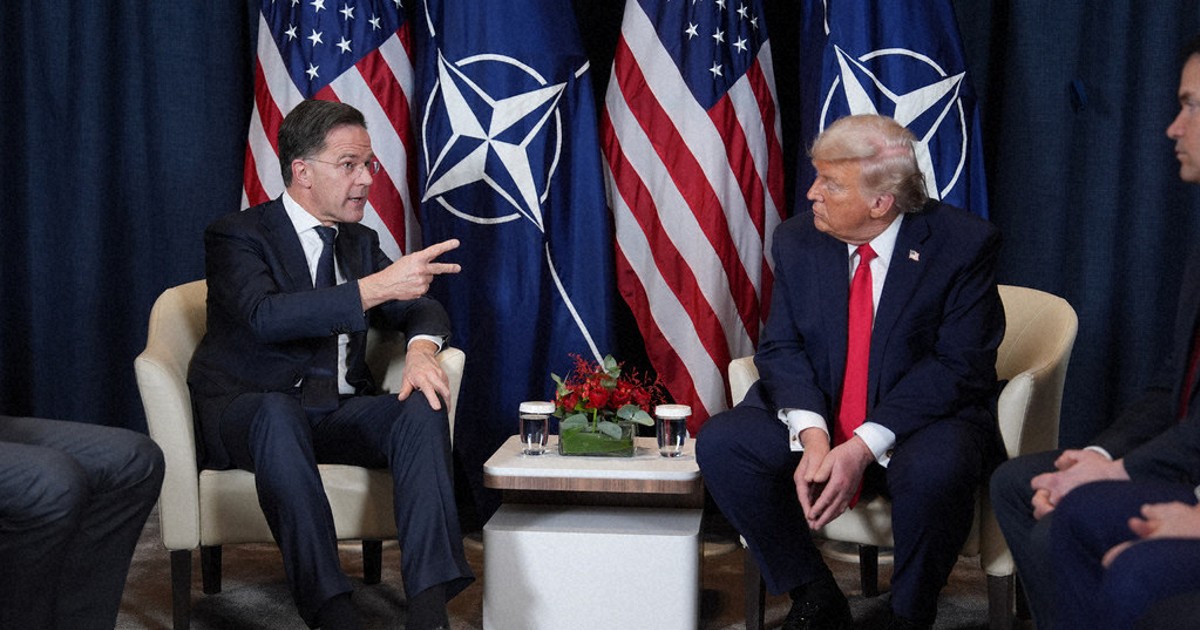
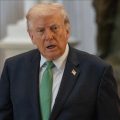
Tensions between the United States and its NATO allies have once again come to the forefront, following remarks by U.S. President Donald Trump linking his frustrations with the alliance to an earlier विवाद over Greenland. Speaking at a White House press conference, Trump suggested that the roots of the disagreement trace back to a standoff earlier this year involving the semi-autonomous Danish territory.
“It all began with, if you want to know the truth, Greenland,” Trump said. “We want Greenland. They don’t want to give it to us. And I said, ‘bye, bye.’”

The comment revives a controversy that unsettled transatlantic relations in January, when Trump threatened to take control of Greenland before eventually stepping back after a diplomatic understanding was reached. The episode triggered concern across Europe, with Denmark reportedly preparing contingency plans amid fears of a potential U.S. move on the island.
At the same press conference, Trump broadened his criticism beyond the Greenland issue, directing sharp remarks at NATO allies over what he described as a lack of support during the recent Iran conflict. According to the president, several European nations declined to grant access to military bases or airspace, while others refused to deploy naval forces to help secure the strategically vital Strait of Hormuz.
“I think it’s a mark on NATO that will never disappear,” Trump said, expressing disappointment over what he viewed as insufficient backing from long-standing allies.
These remarks reflect a growing pattern of skepticism toward NATO from the Trump administration. The president has recently floated the possibility of withdrawing the United States from the alliance altogether, while Secretary of State Marco Rubio warned that NATO risks becoming “not a very good arrangement” for Washington if current dynamics persist.
Despite mounting pressure from the U.S., European leaders have largely held their ground. In a recent call involving more than 40 countries, discussions centered on diplomatic and economic strategies to address tensions in the Strait of Hormuz, but stopped short of committing to military action. French President Emmanuel Macron described such an operation as “unrealistic,” signaling continued reluctance among key allies.
Efforts to de-escalate the situation are ongoing. NATO Secretary-General Mark Rutte is scheduled to meet with Trump, Rubio, and U.S. Defense Secretary Pete Hegseth in Washington in what is expected to be a critical attempt to repair strained relations.
Still, Trump appears unconvinced that meaningful change is forthcoming. Dismissing recent overtures, he remarked, “They’re going to say, ‘oh, we’ll do this. We’ll do that.’ Now they all of a sudden want to send things.”
As divisions deepen, the future of U.S.-NATO relations remains uncertain, with both sides navigating a complex mix of political pressure, strategic interests, and longstanding alliances that are increasingly being put to the test.




Related posts:
 Mojtaba Khamenei Named Iran’s New Supreme Leader After Father’s Death
 Australia Withdraws Non-Essential Officials from Israel and UAE Over Security Concerns
 UN Chief Warns Middle East Is “Being Pushed to Breaking Point”
 Erdogan Accuses Israel of Pursuing “Ideological Goals” Amid Escalating Middle East Conflict
 US Deploys Drones, Troops to Boost Nigeria’s Anti-Terror Fight
 President Trump’s Signature To Appear On US Dollar Notes