



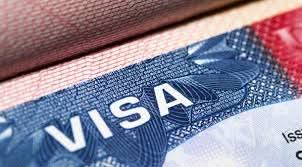
Nigerians spent more than N50 billion on United States visa applications between 2023 and 2024, despite a noticeable decline in approval rates driven by tougher immigration policies and stricter screening requirements.
According to an analysis by Intelpoint, based on data from the US Department of State, a total of 201,200 non-immigrant visas were issued to Nigerians during the two-year period. With each application costing $185, applicants collectively spent an estimated $37.2 million—equivalent to approximately N50.7 billion using an exchange rate of N1,360 to the dollar.

The figures reveal a significant drop in visa approvals, with issuances falling from 113,900 in 2023 to 87,300 in 2024. This represents a decline of 23 per cent, or 26,600 fewer visas issued within a year. Data for 2025 has not yet been released.
Business and tourism visas, commonly known as B1/B2 visas, accounted for the overwhelming majority of approvals, making up 83 per cent of all non-immigrant visas granted in 2024. Student visas represented around seven per cent, while other visa categories made up the remainder.
Although Nigeria remains one of Africa’s largest sources of travellers to the United States, the country accounted for only about 0.8 per cent of global US non-immigrant visa issuances in 2024.
Industry experts attribute the sustained demand for US visas to Nigerians’ strong appetite for international travel, education, business opportunities and family connections abroad. However, they note that securing a visa has become increasingly challenging due to evolving US immigration policies and enhanced background checks.
The visa landscape became even more restrictive following the return of President Donald Trump to the White House in 2025. New measures introduced under his administration reduced the validity of most Nigerian visas to single-entry permits lasting three months and required applicants to disclose social media accounts used within the previous five years.
Further restrictions announced in December 2025 widened travel limitations affecting Nigeria and several other countries, with the measures taking effect from January 2026.
Travel consultants say the impact is already being felt, particularly among first-time applicants, many of whom are experiencing higher rejection rates. As a result, some Nigerians are increasingly exploring alternative destinations, including the United Kingdom and several European countries. However, these regions have also tightened their visa requirements in recent years, creating fresh hurdles for prospective travellers.
For many Nigerians seeking opportunities abroad, the pursuit of a visa remains a costly and uncertain journey, even as demand for international travel continues to grow.




Related posts:
 US Begins Revoking Passports of Parents Owing Child Support
 US To Slash Visa Processing Centres in Africa, Exclude Abuja
 ‘No Kings’ Protests Sweep Major U.S. Cities
 Second US Warplane Crashes Near Strait of Hormuz
 Iran Issues 30-Day Ultimatum to US Over Naval Blockade as Tensions Persist
 Iran Threatens Total War With US and Israel