



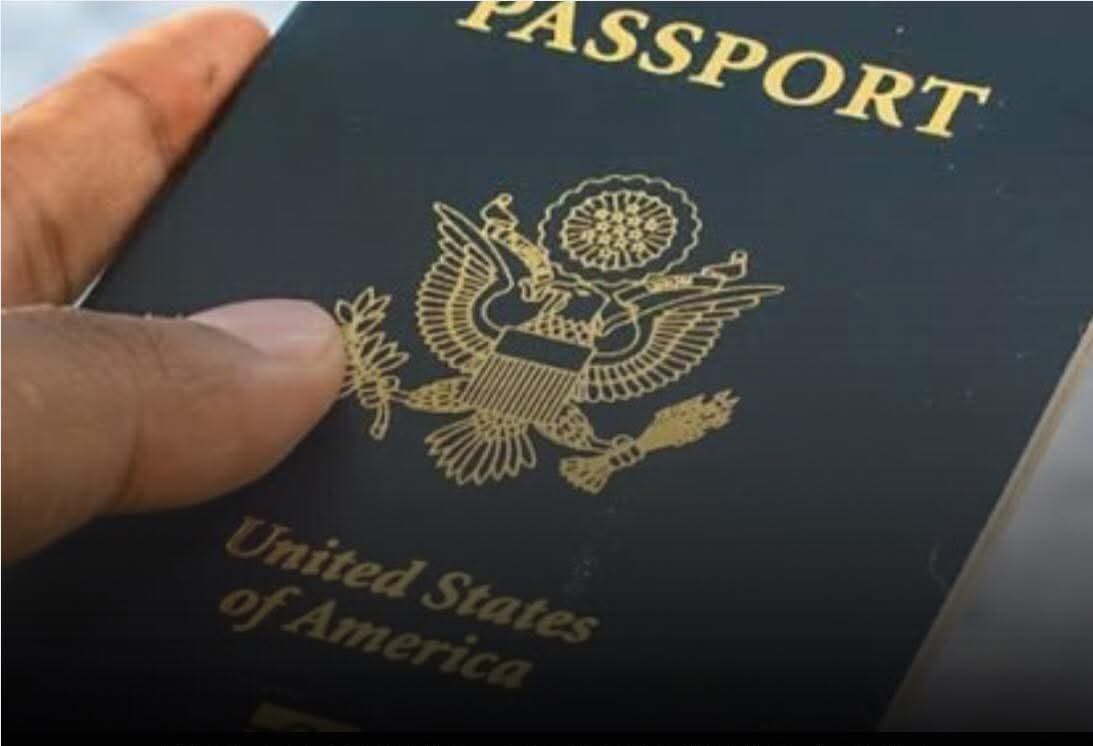
The United States government has begun revoking the passports of parents who owe substantial amounts in unpaid child support, marking a major escalation in efforts to enforce family maintenance obligations.
The new crackdown, confirmed by the United States Department of State on Thursday, will initially target around 2,700 Americans identified as owing at least $100,000 in child support arrears. The policy is set to take effect from Friday.

Officials said the enforcement drive will later be extended to include anyone owing more than $2,500 the minimum threshold established under a 1996 federal law that had previously been enforced only in limited cases.
Until now, penalties mainly affected individuals seeking to renew their passports. Under the updated policy, however, authorities will actively revoke valid passports once overdue child support payments exceeding $2,500 are reported by the Department of Health and Human Services.
Assistant Secretary of State for Consular Affairs, Mora Namdar, said the move is intended to ensure parents fulfil their legal and financial responsibilities to their children.
“We are expanding a commonsense practice that has been proven effective at getting those who owe child support to pay their debt,” Namdar said.
She added that affected individuals would be able to regain their passport privileges once they settle their outstanding obligations.
The policy has already prompted some parents to begin clearing their debts after reports of the planned expansion surfaced earlier this year, according to officials.
Authorities also disclosed that the passport enforcement programme has helped states recover approximately $657 million in unpaid child support since 1998, including more than $156 million in lump-sum payments over the past five years.
Under the new measures, parents whose passports are revoked will receive formal notification that their travel documents are no longer valid. Those currently overseas may be required to visit a U.S. embassy or consulate to obtain emergency travel documents to return home.
The development has sparked debate across the country, with supporters arguing that tougher enforcement is necessary to protect children’s welfare, while critics warn that the policy could create additional hardship for some families and individuals who rely on international travel for work.




Related posts:
 JAPA: UK Increases Visa Fees For Nigerians
 Second US Warplane Crashes Near Strait of Hormuz
 US Arrests Relatives of Late Iranian General while Enjoying Luxury in LA
 Iran Issues 30-Day Ultimatum to US Over Naval Blockade as Tensions Persist
 Troops Arrest Two Suspected Terrorists in Yobe
 Michigan Woman Faces Court Over Alleged Killing of Pregnant Daughter