



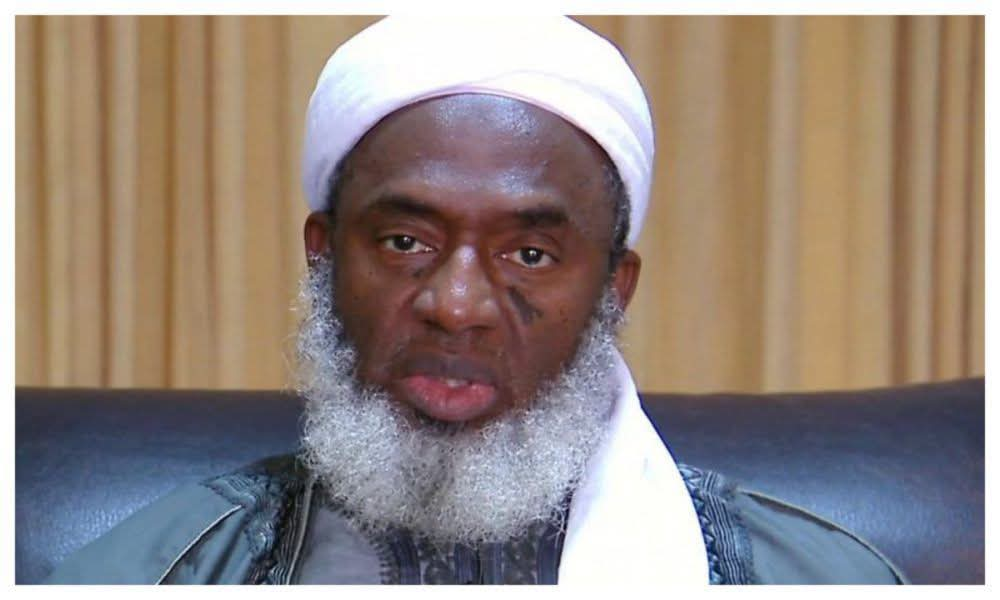
Islamic scholar Sheikh Ahmad Gumi has criticised calls for the execution of repentant insurgents and secessionists, describing such actions as contrary to both Islamic teachings and international law.
Gumi made the remarks in a Facebook post on Friday, just days after the Senate called on the Federal Government to discontinue the rehabilitation of repentant terrorists and instead ensure that anyone found guilty of terrorism or related offences is prosecuted.

Reacting to the growing debate, the cleric argued that executing repentant insurgents, secessionists or prisoners of war is morally indefensible and violates both religious principles and internationally recognised legal standards.
He also warned that such actions could attract international scrutiny, noting that the International Criminal Court (ICC) closely monitors the treatment of individuals involved in armed conflicts.
According to Gumi, responding to violence by adopting the same methods used by terrorist groups only undermines the moral authority of the state and weakens efforts to combat insecurity. He maintained that decisions taken during conflicts should be guided by justice and the rule of law rather than emotion.
“Killing repentant insurgents and secessionists is against religious and international law. So also prisoners of war. ICC is listening if you don’t fear Allah. Where is morality? It’s the same logic terrorists employ to kill all others besides them. Emotions don’t win a war,” he wrote.
The comments come amid renewed debate over Nigeria’s approach to handling former insurgents.
During Tuesday’s plenary, the Senate resolved that individuals found culpable of terrorism and other organised criminal offences should face prosecution instead of rehabilitation. Lawmakers argued that holding offenders accountable through the judicial process is necessary to strengthen public confidence in the country’s criminal justice system and reinforce the fight against insecurity.
The resolution forms part of a broader package of measures adopted by the Senate to address Nigeria’s persistent security challenges.




Related posts:
 Bandits Ambush, Kill Two Police Officers, Weapons Stolen in Katsina
 Borno Reports 75% Success in Reintegration of Former Insurgents
 Allegations Emerge Over Rehabilitation Payments to Ex-Boko Haram Fighters Amid Controversy in Borno
 Buratai Warns Nigeria’s Top Leaders May Become Next Targets For Bandits
 “I’ll Talk to Bandits Who Embrace Peace, Fight Those Who Want War” — Obi
 Kill Terrorists on Sight, Defence Minister Orders Troops