



As tensions continue to simmer in the Middle East, Conquest Magazine has learned that Iran has formally responded to a new proposal from the United States aimed at ending the ongoing conflict between the two nations. Despite ongoing diplomatic exchanges, Iranian officials and state-linked media have described Washington’s latest demands as excessive, raising fresh doubts about the prospects for a lasting peace agreement.
The war, which erupted on February 28, has left the region on edge for months. Although a fragile ceasefire has been in place since April 8, negotiations remain delicate, with only one official round of talks held so far. Diplomatic communications are reportedly continuing through Pakistani mediators, signaling that both sides are still exploring a path toward de-escalation.

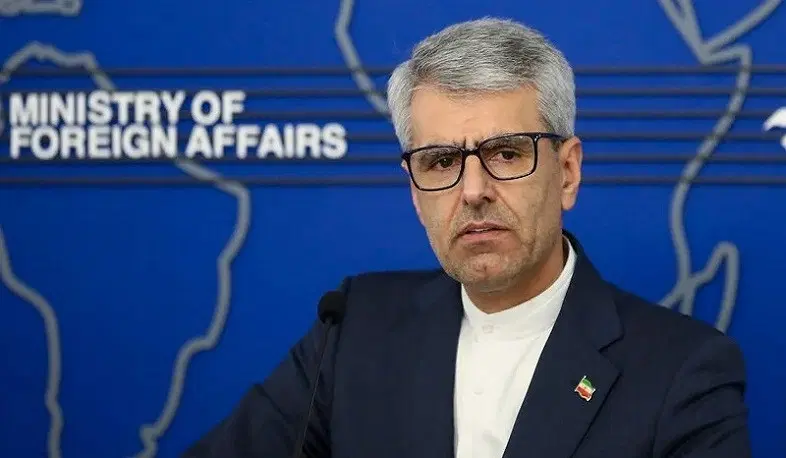
Speaking during a press briefing on Monday, Iranian Foreign Ministry spokesman Esmaeil Baqaei confirmed that Tehran had relayed its concerns to Washington. While he declined to provide specifics, Baqaei emphasized that Iran’s core demands remain unchanged.
Among Tehran’s key demands are the release of Iranian assets frozen abroad and the lifting of long-standing US sanctions. Iranian officials insist these conditions have been consistently defended throughout negotiations. Baqaei also reiterated Iran’s demand that the United States pay reparations for damages caused during the conflict, which he described as “illegal and baseless.”
The spokesman also warned that Iran remains prepared for the possibility of renewed military confrontation, stating that the country is “fully prepared for any eventuality.”
Meanwhile, Iranian state-affiliated media outlets have revealed details of Washington’s latest proposal. According to reports from Fars News Agency, the US submitted a five-point framework that reportedly calls for Iran to maintain only one operational nuclear facility and transfer its stockpile of highly enriched uranium to the United States.
The report further claimed that Washington refused to release even a quarter of Iran’s frozen financial assets or agree to compensation for war-related destruction. The US also allegedly indicated that hostilities would only formally end once Tehran enters comprehensive peace negotiations.
Another Iranian outlet, Mehr News Agency, criticized the American proposal, arguing that Washington was attempting to secure through diplomacy what it could not achieve militarily. The agency described the conditions as “excessive” and warned they could push negotiations into deadlock.
Iran’s earlier proposal, submitted last week, reportedly demanded a complete end to military operations across the region, including Israel’s campaign in Lebanon. Tehran also called for the removal of a US naval blockade imposed on Iranian ports since April 13, alongside the lifting of sanctions and the release of frozen assets.
A particularly sensitive issue remains the Strait of Hormuz, one of the world’s most critical energy corridors. Iranian officials have reportedly insisted that Tehran will continue managing the strategic waterway, which has remained largely restricted since the outbreak of the conflict.
As negotiations continue behind closed doors, analysts warn that both sides remain far apart on key issues. While diplomatic channels are still open, the increasingly hardline rhetoric emerging from both Tehran and Washington suggests that achieving a durable peace may prove far more complicated than securing a temporary ceasefire.




Related posts:
 Mojtaba Khamenei Named Iran’s New Supreme Leader After Father’s Death
 Iran’s New Supreme Leader Reportedly In A Coma After Losing A Leg
 Trump Claims ‘Regime Change’ in Iran Following US-Israel Strikes
 Zelensky Warns Against Delaying Ukraine Peace Efforts Amid Iran Tensions
 Trump Signals Doubt Over Iran Peace Proposal Amid Ongoing Tensions
 Iran Warns of Renewed Conflict as U.S. Talks Stall Over Nuclear Demands