



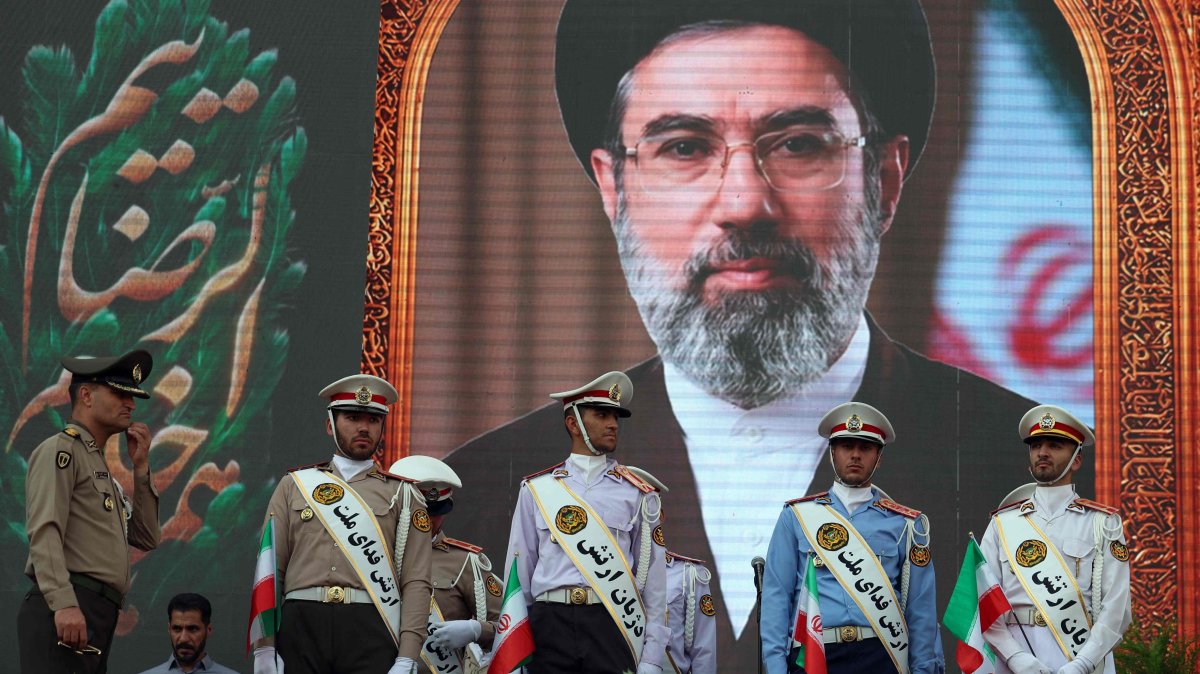
At Conquest Magazine, escalating rhetoric between Iran and the United States is raising fresh concerns about the fragile ceasefire holding in the Middle East, as both sides signal that a return to active conflict remains a real possibility.
A senior Iranian military official, Mohammad Jafar Asadi, warned on Saturday, May 2, that renewed hostilities with the United States are “likely,” a statement that came just hours after U.S. President Donald Trump voiced dissatisfaction with Iran’s latest peace proposal.

Tehran reportedly submitted a revised draft proposal through Pakistan earlier in the week, though full details have not been made public. However, emerging reports indicate that U.S. envoy Steve Witkoff has pushed back with amendments that would bring Iran’s nuclear programme firmly back into the negotiations.
Among the key demands are requirements for Iran to cease relocating enriched uranium from sites previously damaged by airstrikes and to suspend all activity at those facilities for the duration of the talks—conditions that could prove contentious for Iranian authorities.
The conflict, which began in late February, has been under a tenuous pause since a ceasefire took effect on April 8. Despite this, statements from both Washington and Tehran suggest that underlying tensions remain unresolved.
Speaking to reporters, Trump attributed the stalled negotiations to what he described as “tremendous discord” within Iran’s leadership. He framed the situation as a stark choice between diplomacy and decisive military action, stating that while he would prefer a negotiated outcome, the alternative could involve overwhelming force.
Iranian officials have pushed back strongly against such remarks. Asadi dismissed the likelihood of a successful agreement, accusing the United States of lacking commitment to past deals. Meanwhile, Iran’s judiciary chief, Gholamhossein Mohseni Ejei, reiterated that while Tehran remains open to dialogue, it will not accept externally imposed conditions.
Beyond the diplomatic standoff, the crisis continues to have significant global economic repercussions. The Strait of Hormuz—a critical artery for the world’s oil, gas, and fertilizer supply—remains under tight Iranian control, severely limiting the flow of key resources. Although news of renewed proposals briefly triggered a dip in oil prices, they remain substantially elevated compared to pre-conflict levels.
In response, the United States has enforced countermeasures, including a blockade targeting Iranian ports. Trump recently referenced a U.S. helicopter operation against an oil tanker attempting to bypass restrictions, controversially likening the enforcement tactics to acts of piracy.
With both sides maintaining hardline positions and the ceasefire hanging in the balance, the coming weeks are expected to be pivotal in determining whether diplomacy can prevail or if the region will once again slide into open conflict.




Related posts:
 I Must Be A Part Of Your Decision To Select Your Next Supreme Leader – Trump Tells Iranians
 FG Reaffirms Commitment to Protect Nigerians in Iran, Activates Evacuation Plans
 Iran Warns Trump to ‘Be Careful’ Amid Escalating War of Words
 Trump Criticises UK Response to Iran Conflict, Urges Greater Support in Strait of Hormuz
 Erdogan Accuses Israel of Pursuing “Ideological Goals” Amid Escalating Middle East Conflict
 Putin Dismisses Reports Of Drones Supply To Iran, Calls It False and Misleading