



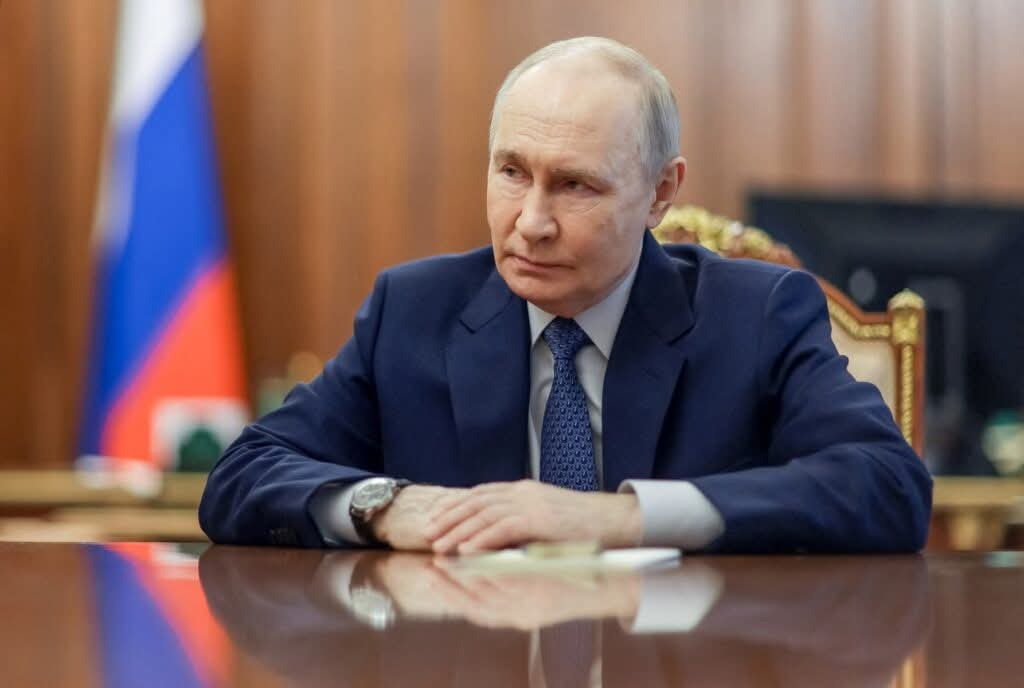
Authorities in Russia will begin referring women who do not wish to have children to psychologists under new health guidelines aimed at addressing the country’s deepening demographic crisis.
The policy reflects growing concern within the government of President Vladimir Putin, who has repeatedly warned about the long-term risks of a shrinking population during his more than two decades in power.

Under the updated recommendations issued by the health ministry, doctors conducting reproductive health assessments will ask women how many children they intend to have. Those who respond that they want none are to be referred to a medical psychologist for counselling intended to encourage a more positive attitude toward childbirth.
The guidelines, approved in late February and recently highlighted by state media, come as Russia faces a historically low birth rate of around 1.4 children per woman—well below the 2.1 level considered necessary to maintain population stability.
Demographic pressures have intensified in recent years, particularly following the Russian invasion of Ukraine, which has seen hundreds of thousands of military-age men deployed, further impacting population trends.
Putin has framed the issue as one of national survival, warning in 2024 that Russia risks “extinction” if birth rates are not reversed.
In response, authorities have introduced a range of pronatalist measures. These include tightening abortion regulations and passing legislation banning so-called “child-free propaganda.”
At the same time, the government has sought to promote larger families by offering financial incentives and social benefits, positioning them as a cornerstone of the country’s future.
The new guidelines are expected to further fuel debate over reproductive rights, state policy, and the balance between public interest and personal choice in Russia’s efforts to reverse its population decline.




Related posts:
 Mojtaba Khamenei Named Iran’s New Supreme Leader After Father’s Death
 Australia Withdraws Non-Essential Officials from Israel and UAE Over Security Concerns
 US Refuelling Aircraft Crashes in Iraq Amid Escalating Iran Conflict
 UN Chief Warns Middle East Is “Being Pushed to Breaking Point”
 Erdogan Accuses Israel of Pursuing “Ideological Goals” Amid Escalating Middle East Conflict
 Israel Destroys World’s Largest Gas Field in Iran