



Conquest Magazine reports that Zimbabwe has announced plans to return dozens of foreign-owned farms seized during the country’s controversial land reform programme, while maintaining that the broader policy of land redistribution will remain unchanged.
Agriculture Minister Anxious Masuka said on Friday that the government would restore 67 farms protected under bilateral investment agreements but which remained unoccupied. The properties are linked to investors from Denmark, Germany, the Netherlands, and Switzerland.

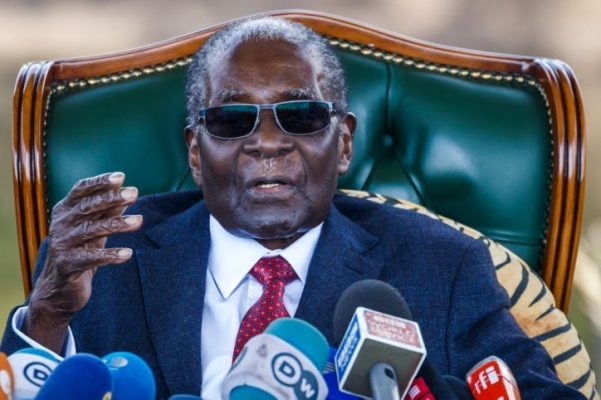
The original land seizures began in 2000 under former President Robert Mugabe, when thousands of mainly white commercial farmers were removed from their land as part of a redistribution campaign aimed at correcting colonial-era inequalities. The policy, however, contributed to economic instability, sanctions, and years of strained relations with Western nations.
Under the latest directive, more than 400 white farmers will reportedly be allowed to repurchase portions or all of their former properties, while an additional 840 farms owned by black Zimbabweans will also be returned to their original owners.
Despite the concessions, Masuka insisted that Zimbabwe’s land reform programme remains central to the country’s post-independence identity. He described land as “a core grievance against the heinous and minority settler oppressive regime,” adding that the liberation struggle was fought to free Zimbabweans from oppression.
“Now the people are with their land and the land with its masters. Land reform is, therefore, irreversible,” Masuka stated.
The announcement has sparked criticism from activists and political observers, some of whom view the move as a contradiction of the government’s longstanding revolutionary stance. Social justice activist Tendai Mbofana argued that the policy reflects “a jarring disconnect between its revolutionary rhetoric and its pragmatic concessions.”
President Emmerson Mnangagwa had previously agreed to a $3.5 billion compensation arrangement for displaced commercial farmers in 2020, but Zimbabwe’s mounting debt burden has complicated implementation. Analysts say the latest policy adjustment may be part of broader efforts to rebuild ties with Western creditors as the country continues to battle food insecurity and economic challenges in what was once regarded as southern Africa’s breadbasket.




Related posts:
 FirstBank Introduces Vybe Hub to Elevate Customer Experiences for DecemberIssaVybe
 Atiku Meets South-East ADC Leaders Ahead of 2027 Primaries
 Wole Soyinka Led Pyrates Confraternity to Give Biodun Jeyifo Last Respect {PHOTO}
 Ex-Bayelsa Governor Seriake Dickson Joins New Party
 Alleged $4.5bn Fraud: Emefiele’s Co-Defendant Admits Lying in Statement to EFCC