



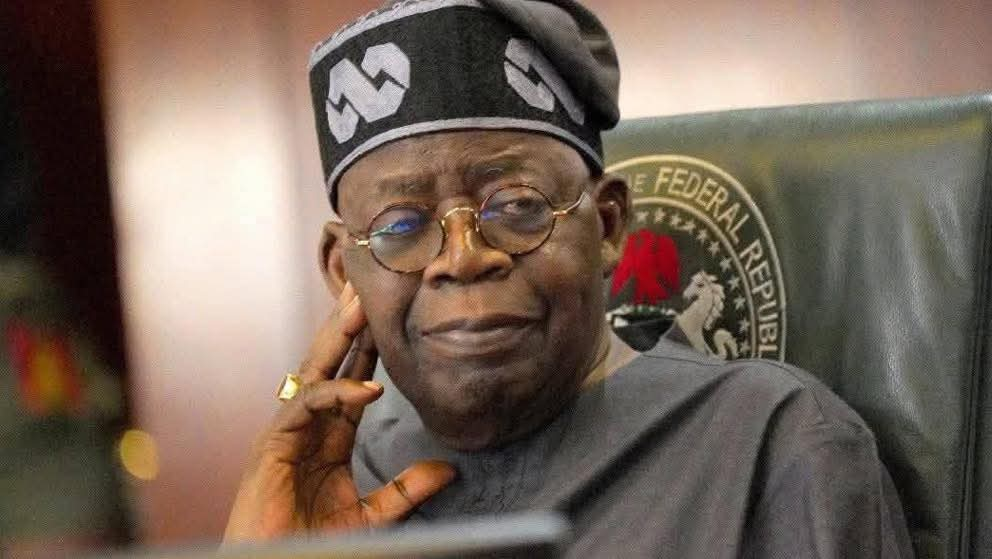
Islamic cleric Sheikh Ahmad Gumi has defended President Bola Tinubu’s economic reforms, arguing that the administration’s policies are largely consistent with the recommendations of many economists, despite the hardship they have imposed on Nigerians.
Gumi made the remarks during an interview with PAPShow, where he expressed support for the government’s economic direction, particularly its decisions to remove fuel and electricity subsidies.

Asked whether Tinubu was getting his economic policies wrong, the cleric said he had little criticism of the reforms themselves, although their implementation and impact on ordinary Nigerians remained important considerations.
“No. I am not saying the economic measures themselves are wrong. You may find very little fault with the economic direction in principle,” he said.
On the removal of the fuel subsidy, Gumi described the decision as largely unavoidable given the country’s economic circumstances. He also noted that international institutions, including the International Monetary Fund (IMF), had welcomed some of the reforms introduced by the administration.
The cleric further pointed to improvements in key macroeconomic indicators, including Gross Domestic Product (GDP), government revenue and allocations to state and local governments, as evidence that the economy was showing signs of recovery.
“At the macroeconomic level, GDP has increased, government revenue has increased, and allocations have also increased. Virtually all the major indicators suggest that the Nigerian economy is recovering,” he said.
Gumi also cited the renewed construction work on the Abuja-Kaduna road, which he said had almost stalled under the previous administration, as well as the establishment of additional federal and state universities, as examples of developments under Tinubu’s government.
However, while defending the administration’s broader economic direction, the cleric expressed reservations about the effectiveness of its intervention programmes for vulnerable Nigerians.
He acknowledged that government support initiatives were appropriate in principle but stressed that their success depended largely on how effectively they were implemented and whether the intended beneficiaries received the assistance.
Gumi also questioned whether the support currently available was sufficient to address the financial difficulties facing struggling households.
His comments highlight the distinction between support for the government’s economic policy direction and concerns about how its effects are being felt by ordinary Nigerians.
As reported by Conquest Magazine, the cleric’s remarks come amid continuing national debate over the impact of Tinubu’s economic reforms, particularly the removal of fuel subsidies, rising living costs and the government’s efforts to cushion the effects of the policies on households.




Related posts:
 US Lawmakers Push to Cut Nigeria Aid Over Insecurity, Religious Violence
 Nigeria Needs Leaders Devoted to Public Service, Tinubu Says
 Buhari Saw Tinubu as ‘Bad News’ for Nigeria, Was Reluctant to Hand Over Power, Says Baba-Ahmed
 Tinubu Departs Abuja For Makkah To Pray For Nigeria
 Do Everything To Stop It — Ayodele Urge Tinubu to Stop Release of FBI Documents
 Obi Hits Back at Datti, Lists Plans to Fix Nigeria If Elected President