



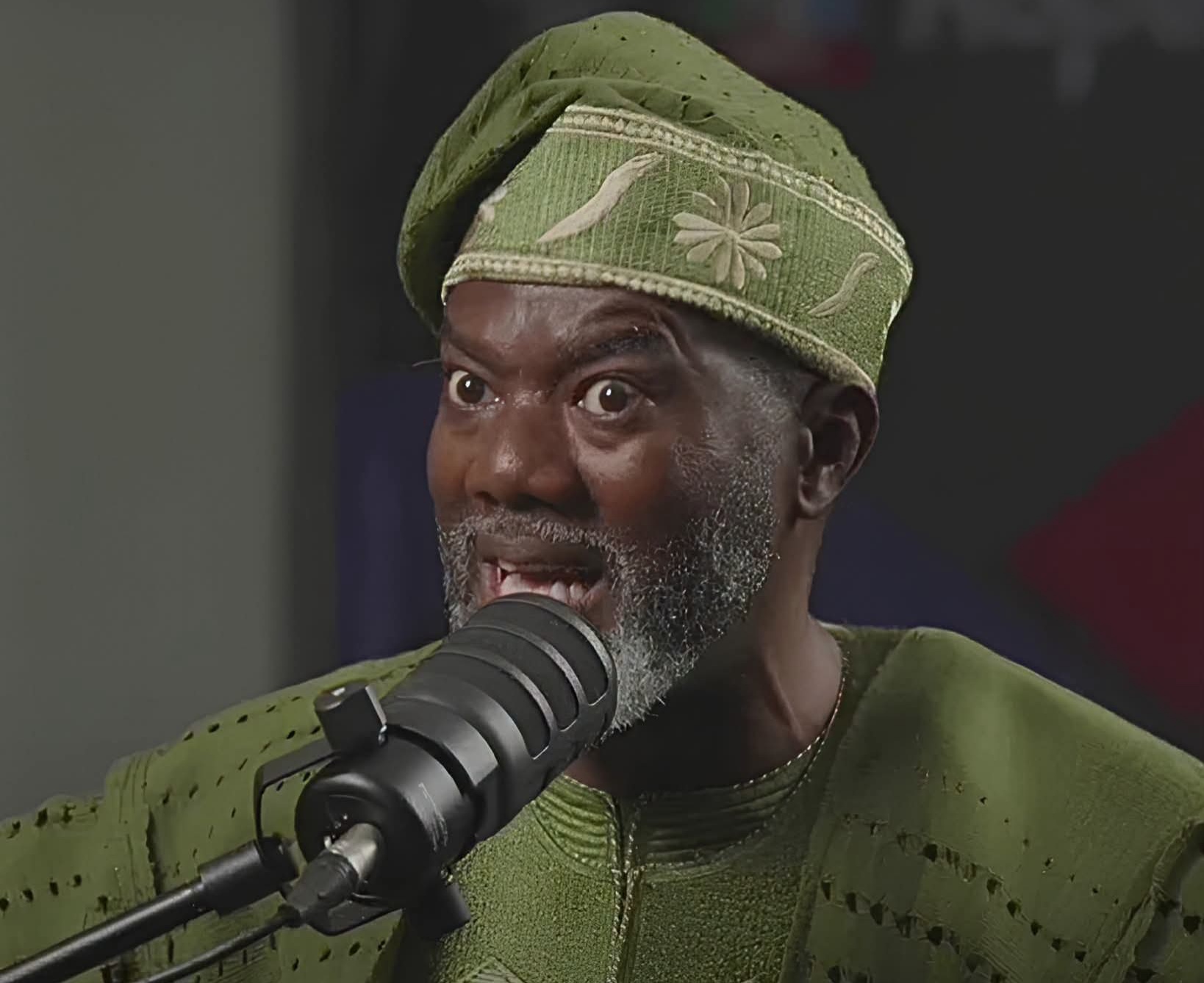
Ambassador Reno Omokri has attributed Uber’s decision to leave Nigeria to the country’s improving transportation infrastructure, particularly in Lagos and Abuja.
Omokri made the remarks during an interview on Channels Television, where he explained that Uber’s business model was largely built around offering affordable mass transportation and competing with conventional taxi services.

According to him, the company had initially found success in Nigeria, but the expansion of public transportation infrastructure in major cities had changed the market.
“I’m going to give you an example of Lagos. The business model that Uber has is that they come into your country and then they bring about mass, low-ticket transportation, so that they price out the regular taxis,” he said.
Omokri noted that the strategy had worked for Uber in countries such as the United States and the United Kingdom, but argued that developments in Nigeria, especially Lagos, had made it increasingly difficult for the ride-hailing company to compete.
“They tried that in this country, and it was succeeding. But look at what was happening in Lagos. The infrastructural development in Lagos has been so wide, has been so extensive, that it’s now possible for you to get from point A to point B in Lagos at a fraction of the cost using the Blue Line, the Red Line, and soon the Green Line is coming up on stream,” he said.
He also cited Abuja’s rail connection to the Nnamdi Azikiwe International Airport as another example of the country’s expanding transport network.
“In Abuja, you can actually get to the airport by rail. And so Uber could not compete. They could not compete because of the advancement of infrastructure in Nigeria,” Omokri added.




Related posts:
 BREAKING: Uber Exits Nigeria After 12 Years, Winds Down Operations Nationwide
 Nigeria Has Everything to Prosper but Leadership Has Failed – Femi Adesina
 Rising Food Costs to Worsen Poverty in Nigeria — IMF
 UN Warns of Terrorists Exploiting Emerging Technology in Nigeria
 Japan Commits ₦20bn To Support Nigeria’s Power Grid Expansion
 ‘I returned to Nigeria to serve, not enrich myself’ — NAFDAC DG Moji Adeyeye