



Oladele Taiwo
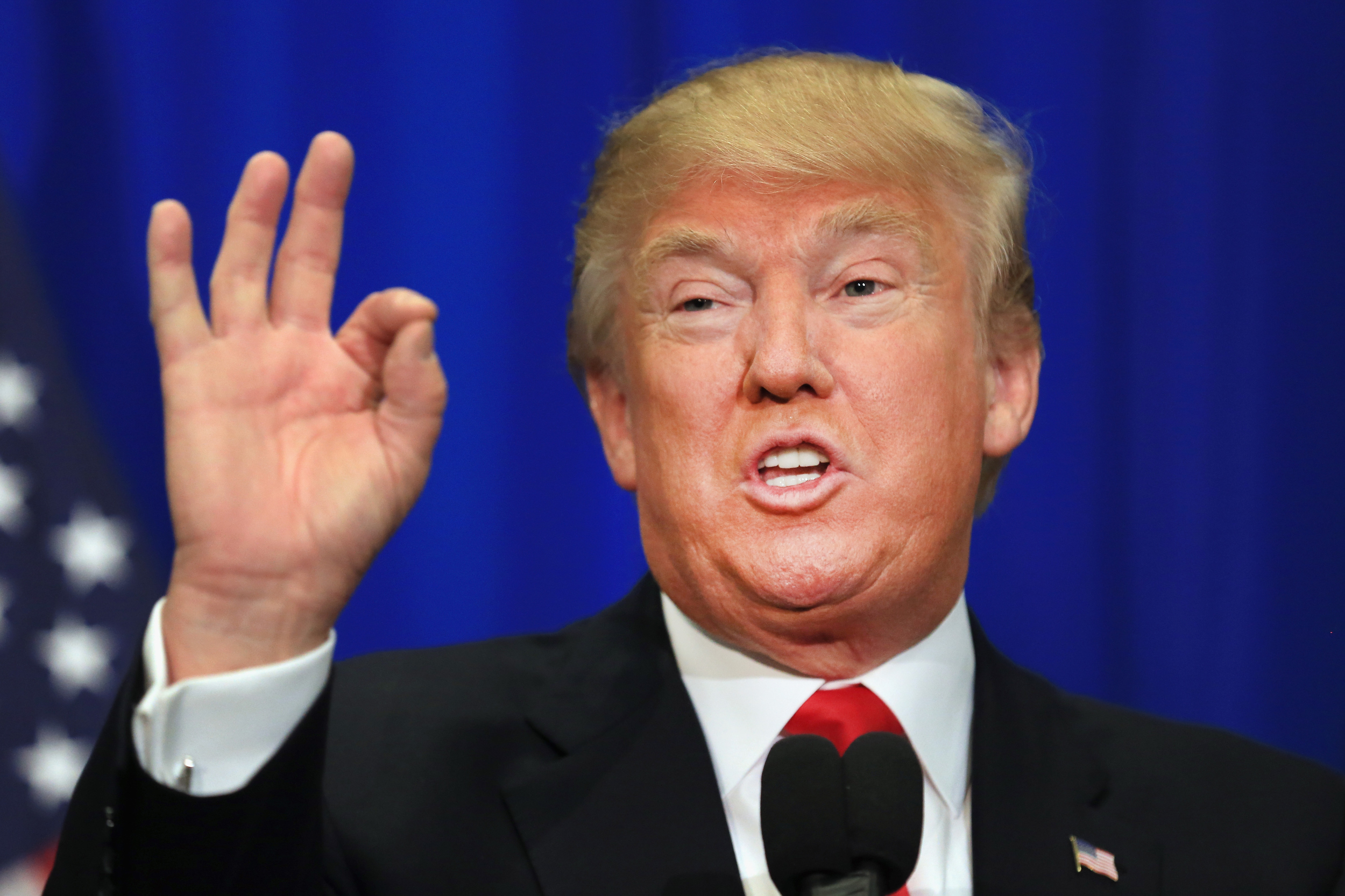
Tensions between U.S. President Donald Trump and The Wall Street Journal have escalated following sharp criticism from the newspaper’s editorial board over his stance on Iran. At the center of the dispute is a familiar question in international politics: when can a leader truly claim victory—and who gets to decide?

The controversy began after The Wall Street Journal published an opinion piece suggesting that President Trump had “declared premature victory in Iran.” The editorial argued that Tehran remains a significant geopolitical threat, particularly in relation to the Strait of Hormuz, a critical global oil passage. It also raised concerns that Iran may still possess enriched uranium, signaling that the broader conflict is far from resolved.
President Trump swiftly pushed back via his Truth Social platform, rejecting the characterization outright. In a strongly worded response, he insisted that the outcome was not only a victory, but one that was fully justified. He further emphasized his administration’s long-standing position that Iran would never be allowed to develop a nuclear weapon, framing recent developments as a decisive step toward that goal.
Beyond nuclear concerns, the Strait of Hormuz has emerged as another flashpoint. Reports suggesting that Iran may be charging fees to tankers passing through the strait drew a stern warning from the President. He underscored that any interference with the free flow of oil would violate existing understandings and could trigger serious consequences. For Trump, ensuring unimpeded navigation in the region is both an economic and strategic imperative.
The Wall Street Journal editorial board, however, painted a more cautious picture. It argued that freedom of navigation has long been a cornerstone of U.S. policy and warned that any perceived concession to Iran’s control over the strait could signal weakness on the global stage. The board also criticized what it described as inconsistent messaging from the President—oscillating between declarations of victory and threats of escalation—which it claims has fueled uncertainty both domestically and internationally.
Adding another layer to the situation is a proposed two-week ceasefire between the United States and Iran, reportedly brokered with Pakistan’s involvement. The agreement, announced earlier this week, is intended to create space for diplomatic negotiations. Vice President JD Vance and Special Envoy Steve Witkoff are expected to travel to Islamabad to begin talks with Iranian representatives, marking a potentially pivotal moment in the evolving relationship.
For critics, the ceasefire represents a test of credibility and commitment. Will it lead to meaningful de-escalation, or merely delay further confrontation? For supporters, it is a strategic pause—an opportunity to consolidate gains and pursue a more stable resolution.
Ultimately, the clash between President Trump and The Wall Street Journal reflects a broader debate about leadership, communication, and the complexities of modern geopolitics. In an era where narratives can shift as quickly as policies, the line between victory and vulnerability remains as contested as ever.
As negotiations unfold and global stakeholders watch closely, one thing is certain: the outcome of this standoff will carry implications far beyond Washington and Tehran.




Related posts:
 I Must Be A Part Of Your Decision To Select Your Next Supreme Leader – Trump Tells Iranians
 Iran Warns Trump to ‘Be Careful’ Amid Escalating War of Words
 Trump Criticises UK Response to Iran Conflict, Urges Greater Support in Strait of Hormuz
 President Trump’s Signature To Appear On US Dollar Notes
 Trump Mocks Macron, Questions NATO Support Amid Iran Conflict
 Israel Backs Trump’s Iran Ceasefire Move, Excludes Lebanon From Truce