



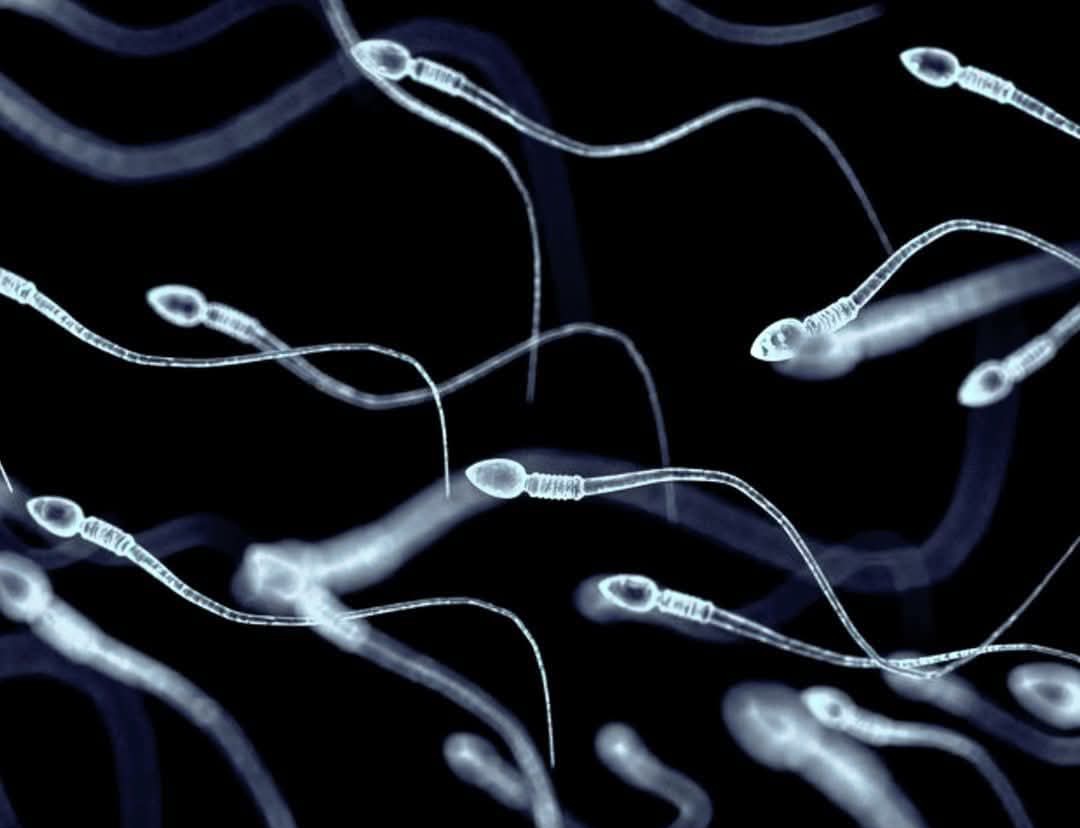
New research from the University of Oxford is shedding light on a lesser-discussed aspect of male reproductive health, suggesting that regular ejaculation may play a role in maintaining sperm quality.
Unlike women, who are born with a finite number of eggs that naturally decline with age, men produce sperm continuously from puberty. However, scientists say sperm that remain stored in the reproductive tract for extended periods may deteriorate over time, potentially affecting fertility.

The study, which analysed findings from 115 previously published papers involving nearly 55,000 men, found that prolonged abstinence was linked to reduced sperm motility and viability. It also showed a rise in DNA damage among sperm cells.
Researchers attribute this decline largely to oxidative stress a process that can damage cells as well as energy depletion, as sperm lose the ability to function effectively the longer they are stored.
Current guidance from the World Health Organization recommends that men abstain from ejaculation for between two and seven days before providing samples for fertility treatments. However, the new findings suggest that shorter intervals may, in some cases, be beneficial.
In particular, the research indicates that ejaculation within 48 hours prior to procedures such as in vitro fertilisation (IVF) could improve outcomes, potentially offering new hope to couples navigating the emotional and physical challenges of fertility treatment.
While the findings are not a one-size-fits-all prescription, experts say they add to a growing understanding that male fertility is dynamic and that simple lifestyle factors may play a more meaningful role than previously thought.
…By Bisi Esuruoso




Related posts:
 Tonto Dikeh Defends Deliverance Session Amid Online Backlash
 Chude Jideonwo Reacts To Rumours About His Sexuality After TVC Interview
 Crayon Drags Don Jazzy After criticising Mavin Records in Social Media Rant
 I Throws My Expensive Gold Jewellery into Lagoon After Becoming Born-Again – Foluke Adeboye
 Chuk Norris Hospitalised in Hawaii After Medical Emergency
 I Took Iyabo Ojo’s Photo and Her Children’s to a Shrine Lizzy Anjorin Makes Jaw-Dropping Confession