In a world driven by energy demands and shaped by global tensions, recent headlines offer more than just statistics they reveal deeper truths about responsibility, human dignity, and the need for moral clarity.
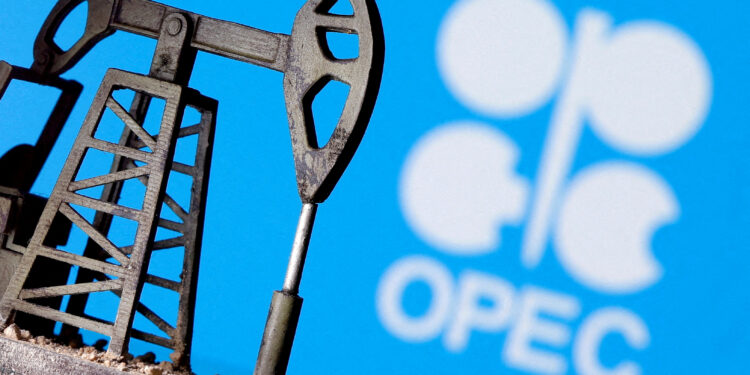
Nigeria’s crude oil production, for instance, recorded a modest recovery in March 2026. According to the OPEC, output rose to 1.38 million barrels per day, a 5.25 percent increase from February. On the surface, this seems like progress. Yet, Nigeria still falls short of its assigned quota of 1.5 million barrels per day, highlighting the ongoing struggle to stabilize a vital sector of its economy.

Even more striking is the contrast between Nigeria’s incremental growth and the dramatic shifts in the global oil landscape. Total production across OPEC nations dropped sharply one of the steepest declines in decades largely due to a regional war that erupted in late February. This disruption reminds us how deeply interconnected our world is: a conflict in one region can reshape economies, livelihoods, and futures across continents.
But beyond economics lies a more urgent concern human life.
A separate report from Tel Aviv University reveals a troubling rise in antisemitic violence in 2025, marking the highest number of Jewish fatalities in 30 years. Across multiple countries, attacks have claimed innocent lives, from a deadly incident during Hanukkah in Sydney to targeted violence in cities like Washington, D.C.
This trend is not just alarming it is deeply sobering. It reflects a world where hatred can take root even in modern, developed societies. The report warns that antisemitism, once thought to be in decline, is becoming normalized in some places, fueled by conspiracy theories, political rhetoric, and social divisions.
What does all this mean for us?
It means that behind every statistic whether barrels of oil or numbers of reported incidents are real people. Families. Communities. Lives shaped by forces often beyond their control.
As young people striving to live with purpose and faith, we are called to look beyond headlines. We are invited to ask deeper questions: How do we respond to injustice? How do we promote truth in a world of misinformation? How do we uphold the dignity of every human person, regardless of race, religion, or nationality?
The challenges of our time economic instability, global conflict, and rising intolerance are not just problems for governments or institutions to solve. They are also opportunities for each of us to act with courage and conviction.
In the face of uncertainty, we are reminded that progress is not measured only in output or policy, but in our commitment to justice, peace, and love for one another.
Because ultimately, the story of our world is not just about what happens it is about how we choose to respond.