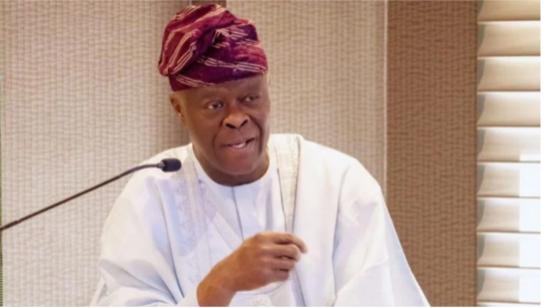
Conquest Magazine Report that Nigeria has saved an estimated $20 billion following the removal of the petrol subsidy and the adoption of market-based foreign exchange policies, according to Wale Edun, the country’s Minister of Finance and Coordinating Minister of the Economy. Edun made this statement at a recent event marking the first 100 days in office of Esther Walso-Jack, the Head of Civil Service of the Federation, in Abuja.
Conquest Magazine gathered that Edun explained that the combined cost of subsidies on petrol (PMS) and the foreign exchange market was approximately 5% of Nigeria’s GDP before the reforms. “An amount of five percent of GDP is what those two subsidies were costing when there was a subsidy on PMS, and when there was a subsidy on foreign exchange,” Edun said, noting that these policies were unsustainable in the long run.

According to Conquest Magazine, Edun estimated that Nigeria’s GDP stood at around $400 billion, meaning that the total subsidy burden on petrol and foreign exchange amounted to about $20 billion annually—funds that could have otherwise been invested in critical sectors such as infrastructure, health, and education.
With the removal of these subsidies, Edun stated that these savings would now flow back into the government’s coffers, enabling further investments in these vital sectors. “These funds will now be directed towards improving the nation’s infrastructure, health services, social services, and education,” he emphasized.
The finance minister also highlighted the broader impact of these policies, explaining that the removal of subsidies has eliminated a system where individuals could profit from access to cheap funding or the petrol subsidy. “The real change that has happened with the measures of Mr. President is that nobody can wake up and their target for the day or for the week or the month or the year is to get access to cheap funding, cheap exchange from the central bank,” Edun said. “They can no longer wake up and become wealthy overnight from no value added.”
Conquest Magazine understands that the petrol subsidy removal was announced on May 29 by President Bola Tinubu, signaling the end of the long-standing policy. However, just three months later, there were reports indicating that the government was considering reinstating a “temporary subsidy” due to the rising costs of crude oil and foreign exchange rates. Despite several denials from officials regarding the return of the petrol subsidy, the Nigerian National Petroleum Company (NNPC) Limited revealed in August that the federal government owed the company N7.8 trillion for under-recovery on fuel pricing.
While these reforms have stirred debates, Edun’s statements underscore the government’s commitment to shifting Nigeria’s economic structure towards greater sustainability. According to Conquest Magazine, the government aims to use these savings to promote economic growth and reduce inefficiencies in the energy sector and foreign exchange markets