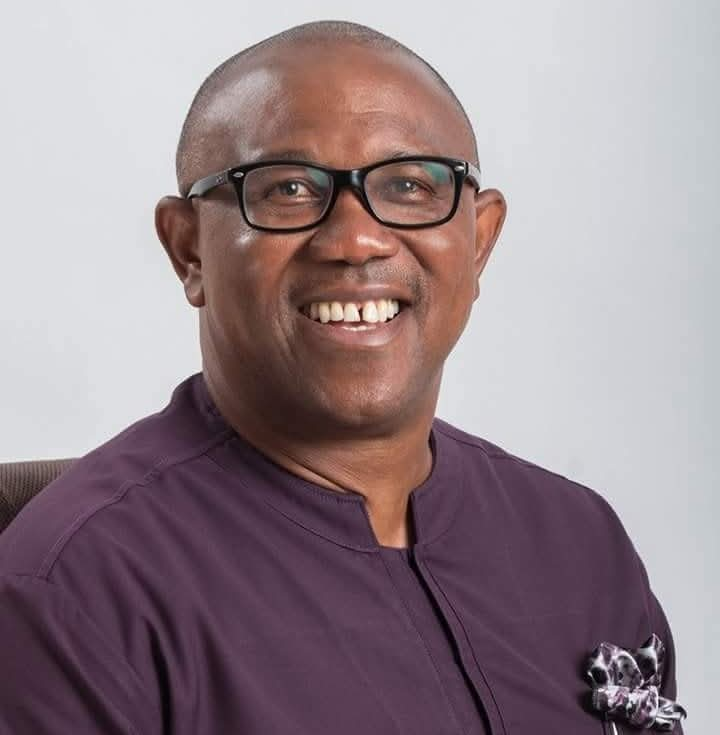
A presidential front-runner in the Peter Obi-aligned African Democratic Congress (ADC) has attributed Nigeria’s widespread poverty to the nation’s tolerance for corruption and poor leadership.
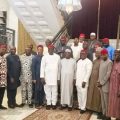
Obi made the remarks in Abuja while receiving members of the Association of Skilled and Vocational Artisans of Nigeria (ASVAN), who paid him a courtesy visit led by their National President, Obijuru Everest.

In a statement issued by his spokesman, Ibrahim Umar, Obi said Nigeria’s poverty persists despite the country’s abundant natural and human resources because citizens continue to honour individuals accused of looting public funds.
“We are poor because we have chosen to be poor. We give titles and front-row seats of honour to those who steal public funds, and yet we expect to grow,” Obi was quoted as saying.
The former Anambra State governor also recalled a conversation he had with political leaders in Indonesia, a country he said shares similarities with Nigeria in population size but has achieved greater economic progress due to stronger leadership and governance.
According to Obi, an Indonesian leader advised him that tackling corruption, investing heavily in education and healthcare, and building capable human capital were key to national development. Such investments, he said, would produce healthy and educated citizens who can drive economic growth.
Obi emphasised that in successful economies, Small and Medium Enterprises (SMEs) serve as the backbone of growth when supported by a responsible government that ensures transparency and creates an enabling environment for businesses.
He also urged Nigerians to actively participate in shaping the country’s leadership.
“Join the fight for a great Nigeria. Stop worshipping those who steal your money, stop giving them titles, and stand up for what is right,” Obi said. “Vote, defend your votes, and help produce good leaders at all levels, from councillor to president, and you will see the country change.”
Earlier, Everest said members of ASVAN had closely followed Obi’s political journey and believed it was important to support his vision for national development.