



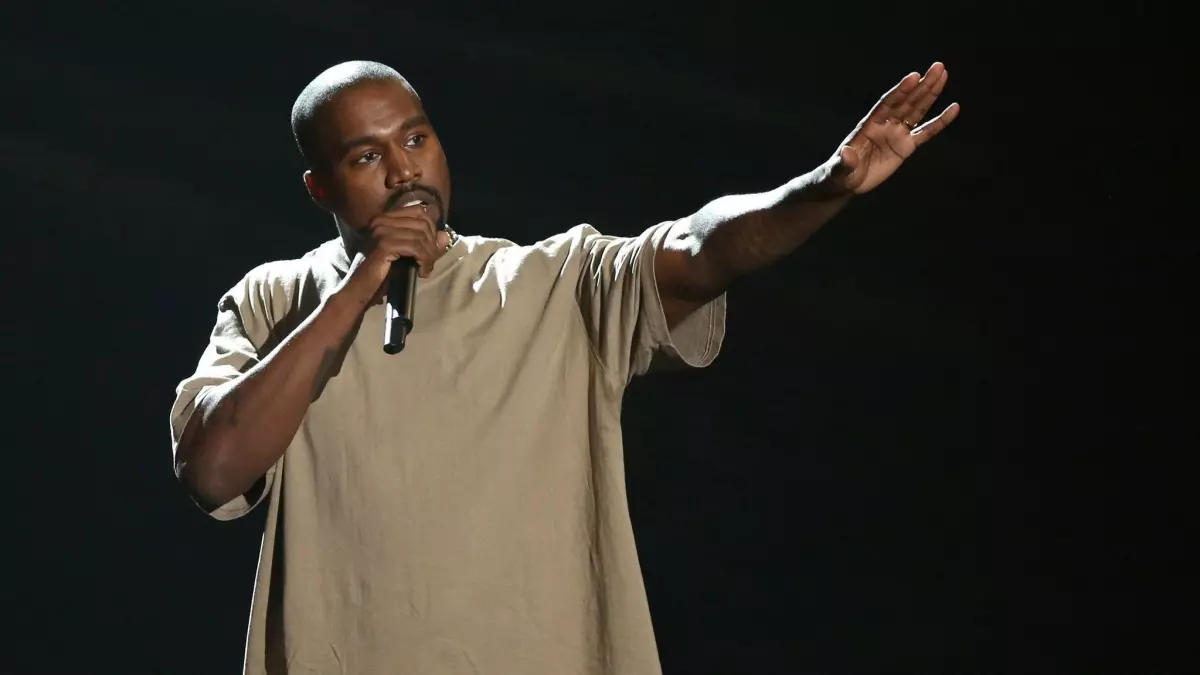
American rapper Kanye West also known as Ye has offered to “meet and listen” to members of the UK’s Jewish community following intense backlash over his scheduled performance at the Wireless Festival.
The announcement has reignited debate over the artist’s past behavior, public accountability, and whether controversial figures should continue to receive major platforms.

West has faced widespread criticism in recent years for a series of antisemitic comments, including expressing admiration for Adolf Hitler. He also drew outrage for releasing a song titled Heil Hitler and promoting a swastika-themed T-shirt on his website.
Unsurprisingly, news of his inclusion in the Wireless Festival lineup triggered swift condemnation from politicians and Jewish organizations across the UK.
Among the critics is UK Health Secretary Wes Streeting, who stated that West should not be headlining the festival.
Prime Minister Keir Starmer also weighed in, calling the booking “deeply concerning” given the rapper’s history of offensive remarks.
There have even been calls for the UK government to deny West entry into the country altogether.
In response to the growing controversy, West released a statement addressing the situation directly. He emphasized that his intention is to promote unity through music and expressed willingness to engage with those affected by his past comments.
“My only goal is to come to London and present a show of change, bringing unity, peace, and love through my music,” he said.
“I would be grateful for the opportunity to meet with members of the Jewish community in the UK in person, to listen I know words aren’t enough I’ll have to show change through my actions.”
Despite the backlash, Melvin Benn, managing director of Festival Republic, defended the decision to book West.
Benn clarified that the artist was invited strictly to perform music, not to promote personal views.
“We’re not giving him a platform to extol opinion of whatever nature—only to perform the songs that are currently played on radio stations and enjoyed by millions,” he said.
While condemning West’s past remarks as “abhorrent,” Benn also called for forgiveness and second chances, arguing that society risks losing the ability to allow people to grow and change.
The controversy has already had financial repercussions. Major sponsors, including Pepsi and Diageo, withdrew their support after West was announced as a headliner.
Benn later revealed that sponsors had initially approved the booking, but acknowledged that organisers may have erred by not consulting the Jewish community earlier in the process.
The situation has also sparked wider debate around accountability and mental health. Streeting pushed back against suggestions that West’s actions could be excused on mental health grounds, questioning whether such explanations justify harmful public behavior.
As the controversy continues to unfold, West’s proposed outreach to the Jewish community may prove to be a pivotal moment. Whether it leads to reconciliation—or further scrutiny—remains to be seen.
What is clear, however, is that the intersection of celebrity, responsibility, and public platforms continues to raise difficult questions with no easy answers.




Related posts:
 Nigerian Musicians Don’t Have Much Money As Comedians – Shank
 Beyoncé’s Mom’s Restaurant Shut Down Briefly After Food Safety Concerns
 Peter Okoye Rules Out P-Square Reunion
 Veteran Nigerian Actor Sunday Afolabi Spotted Working As ‘Danfo’ Driver
 Cubana Chiefpriest Turns 38 as Wife Pens Heartfelt Birthday Tribute
 Surulere Leaders Oppose Desmond Elliot’s Fourth-Term Bid