



For men undergoing surgery for prostate cancer, removing the tumour can be a major step towards recovery. But the procedure can also leave some patients facing a deeply personal complication — erectile dysfunction.
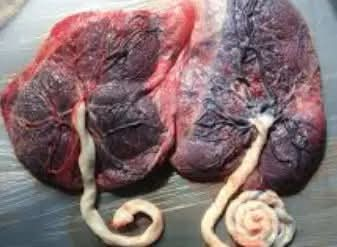
Researchers are now investigating an unusual approach that could help some men regain sexual function sooner: placing thin sheets made from dehydrated human placenta around nerves exposed during prostate cancer surgery.

According to New Scientist, early research suggests the technique may help speed up the return of erections following the procedure.
The nerves responsible for erections can be stretched, bruised or damaged during prostate surgery, even when surgeons are able to preserve them. As a result, some men may wait months for sexual function to return, while others experience longer-term difficulties.
The placenta-derived material is being studied as a potential aid to nerve recovery. Placental tissue contains growth factors and other biological components that researchers believe could support tissue repair and help reduce inflammation around damaged nerves.
“To help men get better erections, we’re using donations of placentas from women,” Shirin Razdan, a surgeon at HCA Florida Kendall Hospital in Miami, was quoted as saying.
The treatment is based on the theory that protecting and supporting delicate nerves immediately after surgery could improve their chances of recovering normal function.
A review involving thousands of prostate cancer operations has reported an earlier return of erectile function among men who received placenta-derived treatment. Some studies have recorded erections returning in about a week among treated patients, compared with roughly two weeks in those who did not receive the intervention.
However, researchers say the findings should be interpreted cautiously.
A quicker return of erections does not necessarily mean that the treatment restores normal sexual function in every patient. It also does not, on its own, establish that the placenta-derived material is responsible for all the improvement seen in patients.
Further research is needed to determine whether the treatment can help men achieve satisfactory erections in the longer term, how long any benefits may last, and whether it ultimately improves quality of life.
Researchers will also need to establish the potential risks, costs and limitations of the procedure before it can be considered a standard treatment.
The research forms part of a growing interest in regenerative approaches to complications arising from cancer treatment.
While advances in prostate cancer surgery have improved the prospects of controlling localised disease, survival is not the only measure of recovery for many patients. Being able to return to normal sexual, urinary and social functioning can also have a significant impact on life after cancer.
For now, the use of placenta-derived material to support nerve recovery remains an emerging approach rather than a proven treatment for erectile dysfunction following prostate cancer surgery.
Further studies are expected to determine whether the technique can deliver lasting improvements for men recovering from the disease.




Related posts:
 Nigeria Receives Long-Acting HIV Prevention Injection Lenacapavir
 Nigerian Dietitian Struck Off UK Register For Lying on Job Application
 US Reverses Visa Freeze on Foreign-Trained Doctors Amid Growing Healthcare Shortage
 Ogun State Doctors Shut Down Hospital for 10 days Over Unpaid Allowances
 Scientists Develop Experimental Drug That May Slow Aggressive Prostate Cancer
 FG Unveils Five-Year Plan to Curb Alcohol Abuse, Illicit Trade