



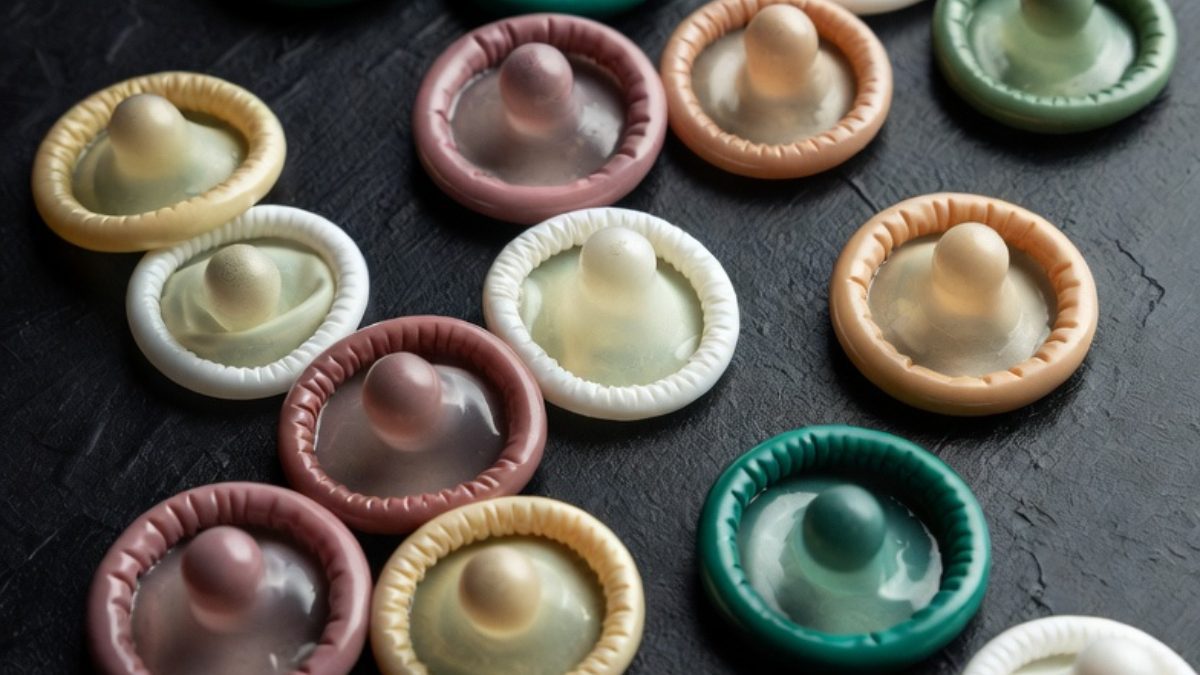
In a development closely monitored by Conquest Magazine, the world’s largest condom manufacturer, Karex Bhd, has announced plans to increase prices by between 20 and 30 percent, citing ongoing global supply chain disruptions linked to the escalating Iran conflict.
Chief Executive Officer Goh Miah Kiat warned that further price hikes may follow if the situation persists, as rising costs for raw materials and logistics continue to strain the company’s operations. “The situation is definitely very fragile, prices are expensive… We have no choice but to transfer the costs right now to the customers,” he stated.

Karex, which produces more than five billion condoms annually, supplies major global brands such as Durex and Trojan. It also plays a key role in public health distribution, providing products to institutions like the National Health Service and international programmes run by the United Nations.
The company is simultaneously grappling with a surge in demand, with global usage increasing by approximately 30 percent this year. According to Goh, the spike is partly due to dwindling stockpiles, exacerbated by reductions in foreign aid funding, particularly from the United States Agency for International Development.
Supply chain challenges have intensified since late February, as the conflict has disrupted access to essential production materials such as synthetic rubber, nitrile, aluminium foil, and silicone oil. These shortages have been further compounded by shipping delays, with delivery times to Europe and the United States nearly doubling—from about one month to close to two.
“We’re seeing a lot more condoms actually sitting on vessels that have not arrived at their destination but are highly required,” Goh explained, highlighting that developing countries are bearing the brunt of the shortages due to slower supply chains.
While Karex confirmed it has sufficient materials to sustain production in the short term, the company is ramping up output to meet rising demand. However, it cautions that prolonged disruptions could continue to affect both availability and pricing worldwide.




Related posts:
 14.3 Million Nigerians Consumed Illicit Drugs in A Single Year
 Ex-Senatorial Candidate Jailed For Selling Petrol to Boko Haram
 Delta LG Chairman Abducted by Gunmen in Sapele Attack
 Nigerian Military Repels Terrorist Attack on Benisheikh Brigade Headquarters, Pays Tribute to Fallen Soldiers
 Dollar To Naira Exchange Rate Today
 NNPC Paid for Everything — Ex-minister, Diezani Denies Bribery Allegations