



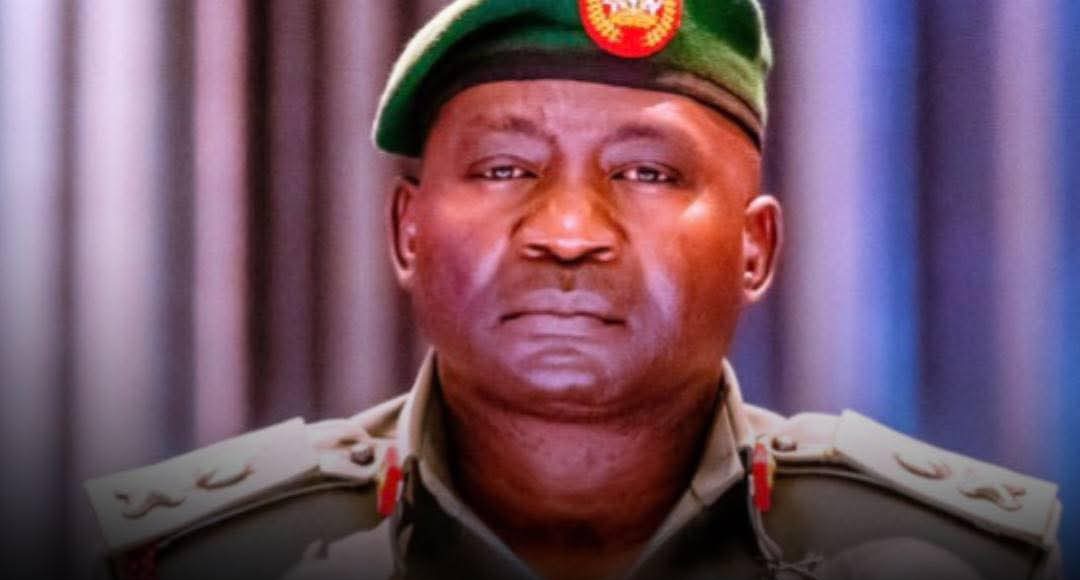
Chief of Defence Staff General Christopher Musa has defended Nigeria’s controversial deradicalisation and reintegration programme for former insurgents, insisting that many of those passing through the scheme are victims of terrorism rather than perpetrators of it.
Speaking on Operation Safe Corridor, the military rehabilitation initiative for repentant insurgents, Musa stressed that those being reintegrated into society are not hardened terrorists responsible for atrocities, but individuals who were forced into insurgent camps under threat of death.

According to the Defence Chief, security agencies have identified three distinct groups of people emerging from terrorist-controlled territories: civilians who were forcibly conscripted, individuals used as labourers and farmers by insurgent groups, and active combatants who directly participated in attacks.
“The ones that were enslaved, the ones that were conscripted, they were forced into it. It was not something they willingly chose,” Musa said.
He explained that many of the individuals undergoing rehabilitation were ordinary citizens whose communities were overrun by terrorists and who were given a brutal choice join the insurgents or face execution.
Musa maintained that those found to have actively engaged in terrorist activities are excluded from the programme. Such individuals, he said, are detained, investigated and handed over to the appropriate authorities for prosecution.
“We’re not rewarding criminals. It would be stupid and foolhardy for us to do that,” he stated.
The Defence Chief noted that participants in the programme undergo psychological counselling, educational support and vocational training aimed at helping them rebuild their lives before being returned to their communities. He added that security agencies continue to monitor them after reintegration.
While acknowledging the deep pain and trauma suffered by victims of insurgency across the North-East, Musa argued that reconciliation remains an essential component of achieving long-term peace and stability.
Reflecting on the human cost of the conflict, he recounted the story of a victim who lost nine family members to insurgent violence but still expressed a willingness to forgive if doing so would contribute to lasting peace in the region.
His remarks come amid ongoing public debate over the government’s rehabilitation programme, with critics questioning whether former insurgents should be reintegrated into society while many victims continue to grapple with the devastating consequences of terrorism.
For supporters of the initiative, however, the programme represents a difficult but necessary path towards breaking cycles of violence and preventing vulnerable individuals from being drawn back into extremism.




Related posts:
 Government Knows Identities Of Terrorist Financiers – Ex Army Chief Buratai
 Four Officers Killed in Borno Police HQ Assault
 Terrorist Attack Military Base in Borno, Kills Army General, Soldiers
 Terrorist Kidnap JAMB Candidates Along Makurdi–Otukpo Road in Benue State
 Gas Tanker Explosion Kills Two, Destroys Property Along Lekki–Epe Expressway
 Truth Must Prevail — Mohbad’s Father Speaks Out on DNA Controversy