



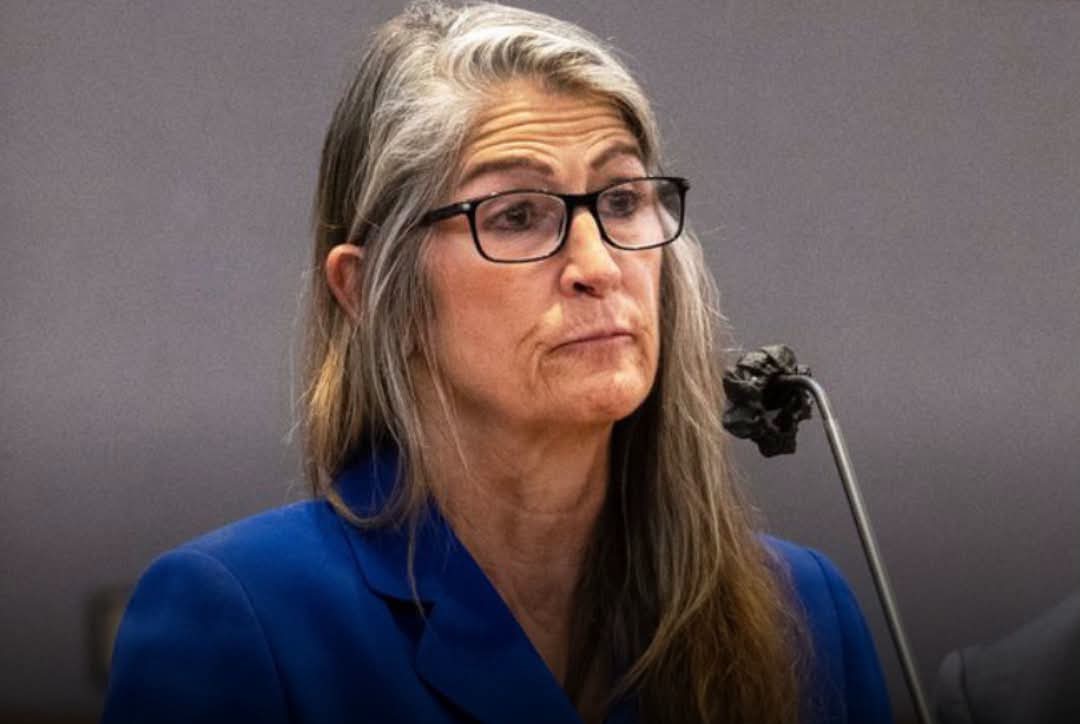
Former Colorado Bureau of Investigation forensic analyst Yvonne “Missy” Woods, 66, has been sentenced to 10 years in state prison after admitting to manipulating DNA data in hundreds of criminal cases over more than a decade.
Woods, who spent nearly 30 years working for the agency, pleaded guilty in June to charges including cybercrime, first-degree perjury, attempting to influence a public servant and forgery.

The misconduct took place between 2008 and 2023 and came to light after a CBI intern discovered missing DNA data from a sample Woods had processed in 2018.
A subsequent investigation uncovered 53 cases in which laboratory reports attributed to Woods contained false or misleading information.
Prosecutors said Woods deleted DNA values showing the presence of male DNA and subsequently reported that no male DNA had been detected in 32 cases involving women and children who had reported sexual assaults.
According to prosecutors, the manipulation deprived investigators of opportunities to conduct further testing and pursue additional lines of inquiry.
Twelve of the false reports were connected to cases in which suspects were charged. Three of those cases went to trial, resulting in one conviction and two acquittals.
Woods also admitted giving false testimony during a trial that resulted in a first-degree murder conviction.
A wider review of her work found that alterations to laboratory notes affected more than 1,000 cases, including more than 400 sexual-assault investigations. Prosecutors, however, said investigators found no evidence that Woods fabricated DNA identifications, comparisons or false-positive results.
The fallout has already reached the courts. One murder conviction has been overturned, while prosecutors reached plea agreements in three other murder cases rather than risk having Woods’ work challenged during legal proceedings.
During her sentencing, Woods apologised and acknowledged that her actions had caused serious damage to the criminal justice system.
Judge Andrew Poland described the misconduct as “intentional misconduct” carried out by a highly trained professional who occupied a position of extraordinary trust.
The case has raised serious questions about the reliability of forensic evidence and the potential consequences when the integrity of criminal laboratory work is compromised.




Related posts:
 Truth Must Prevail — Mohbad’s Father Speaks Out on DNA Controversy
 DNA Test Confirms Body Found in Lagos Mortuary Was Missing #EndSARS Journalist Pelumi Onifade
 Office Space Used by PFIPC At Federal Secretariat Was Allocated to OSGF – HoS
 Outrage as Federal Government Allocates ₦8.05bn for Construction, Renovation of Churches, Mosques in 2026 Budget
 2027: Obi, Kwankwaso Alliance Won’t Fly in Kano – Ganduje
 Bandits Abduct Over 40 Residents in Fresh Zamfara Attack