



World football is once again confronting an uncomfortable truth: the persistent shadow of discrimination within the game. This time, the spotlight falls on Spain, where troubling scenes during a recent international friendly have prompted swift action from football’s global governing body.
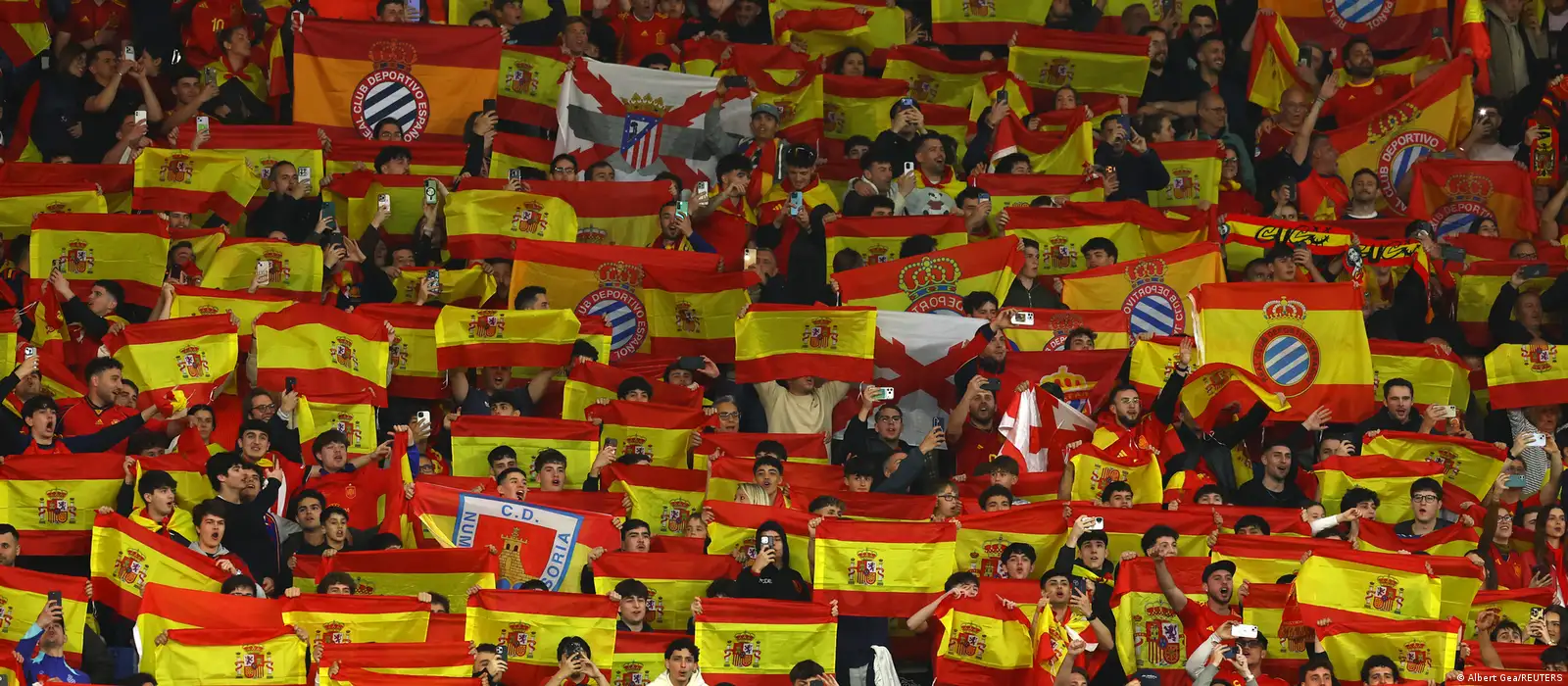
FIFA has officially opened disciplinary proceedings against the Spanish Football Federation following reports of anti-Muslim chants during a March 31 clash between Spain and Egypt. The match, held at Barcelona’s RCDE Stadium, was meant to celebrate international competition—but instead became the latest flashpoint in football’s ongoing struggle with intolerance.

According to reports, a section of the crowd repeatedly chanted, “Whoever doesn’t jump is a Muslim,” a phrase widely condemned as discriminatory and offensive. FIFA confirmed its response shortly after the incident, signaling that such behavior will not be ignored on the international stage.
Unfortunately, this is not an isolated case. Spanish football has faced growing scrutiny in recent years over repeated instances of abuse from the stands. High-profile players, including Real Madrid forward Vinicius Junior, have frequently been subjected to racist taunts—raising serious concerns about the effectiveness of existing measures to combat fan misconduct.
The reaction within Spain has been swift and pointed. Authorities have launched investigations into what police described as “Islamophobic and xenophobic” chants, while Prime Minister Pedro Sánchez denounced the incident as “unacceptable.” He emphasized that a small, “uncivil minority” should not be allowed to define the nation’s image or values.
The Spanish Football Federation also issued a statement condemning the chants, aligning with broader calls for accountability. Meanwhile, Spain international Lamine Yamal—himself a Muslim and a participant in the match—did not hold back, criticizing the behavior as rooted in ignorance and racism, and highlighting the personal impact such actions can have on players.
This incident underscores a deeper issue that extends beyond a single match or country. Football, often celebrated as a unifying force, continues to grapple with divisions that mirror wider societal tensions. FIFA’s intervention may serve as a reminder that governing bodies are willing to act—but lasting change will depend on consistent enforcement, cultural shifts, and collective responsibility from fans, institutions, and players alike.
As the investigation unfolds, one question remains: how many more incidents will it take before football truly becomes the inclusive global game it দাবি to be?




Related posts:
 FIFA Introduces Rule Requiring Female Coaches in Women’s Tournaments
 Marotta Dismisses Arsenal Links to Esposito
 Anthony Joshua Relocates to Dubai Despite Middle East Tensions
 Bryan Mbeumo Praises Calvin Bassey, Calls Super Eagles Defender a “Beast”
 CAF Officially Recognise Morocco as 2025 AFCON Champion
 Super Eagles Beat Iran 2–1 in Antalya Friendly