



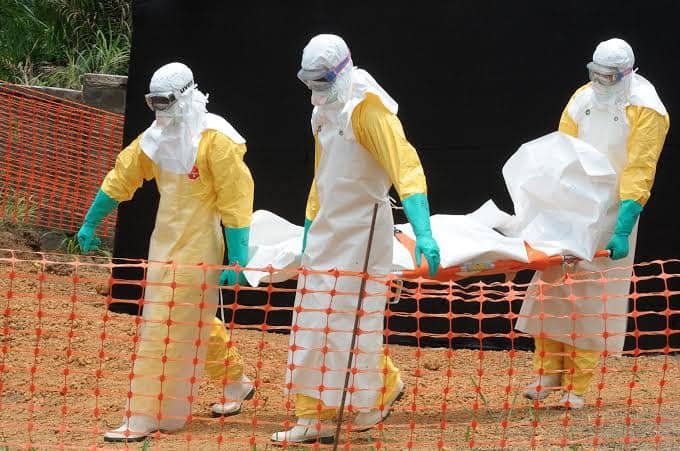
The United Nations has raised fresh concerns over the spread of Ebola in eastern Democratic Republic of Congo, with more than 3,200 deaths reported amid a worsening humanitarian crisis.
UN spokesperson Stéphane Dujarric disclosed the development on Tuesday while briefing journalists at the organisation’s headquarters in New York.

He said the UN’s Humanitarian Coordinator in the DRC, Damien Mama, had begun a four-day visit to North Kivu to assess ongoing response efforts and the wider humanitarian situation in the province.
Dujarric said the Congolese government, working with the World Health Organisation (WHO), Africa Centres for Disease Control and Prevention and other partners, had launched a revised multisectoral Ebola response plan requiring $1.3 billion over the next six months.
The plan includes expanding disease surveillance, contact tracing, treatment, community engagement and preparedness activities.
Meanwhile, the Food and Agriculture Organisation (FAO) is increasing its support in Ituri and North Kivu, including veterinary surveillance and training aimed at reducing the risk of animal-to-human transmission. The agency is also providing affected communities with seeds, farming tools, poultry and cash assistance.
Dujarric said the wider humanitarian situation remained critical, with the DRC’s $2.1 billion Humanitarian Response Plan only about half funded.
The World Food Programme (WFP) has also called for greater international support, particularly for vulnerable communities in remote areas far from Ebola treatment centres.
WFP Country Director for the DRC, David Stevenson, said Ebola could not be tackled in isolation because the outbreak is occurring in a region already struggling with armed conflict, displacement and severe food insecurity.
Eastern DRC has endured years of instability and has experienced 17 Ebola outbreaks since the virus was first identified about five decades ago.
The current outbreak, caused by the rare Bundibugyo species of the virus, has placed additional pressure on communities already facing hunger and displacement.
Stevenson said more than 500,000 people in Ituri are currently classified in Phase 4 of the Integrated Food Security Phase Classification, one level below the most extreme category associated with starvation and mortality.
He warned that hunger could undermine efforts to control Ebola because people struggling to feed their families may find it difficult to follow health measures or prioritise disease prevention.
“If you can’t feed your family, it’s pretty difficult to adhere to health protocols,” Stevenson said.
He called for a more comprehensive response combining medical treatment with food assistance, particularly in remote rural communities.
According to Stevenson, expanding Ebola treatment centres and securing funding to deliver food aid to hard-to-reach areas are among the biggest challenges facing responders.
Poor road networks and difficult terrain have made deliveries particularly challenging, but he said humanitarian workers continued to find ways to reach communities in need.
The WFP has identified the DRC Ebola response as one of its major operations, alongside its humanitarian work in Ukraine, Gaza, Sudan and South Sudan.
Stevenson urged the international community to provide more funding, warning that the scale of the crisis required a stronger global response.
He also highlighted the importance of combining medical care with adequate nutrition.
During a recent visit to an Ebola treatment centre, Stevenson said he witnessed a woman who had recovered from the virus preparing to return home.
He said her recovery demonstrated the importance of both medical treatment and proper nutrition, stressing that similar support was needed across the wider region.
“The majority of the people affected by Ebola never get to a treatment centre,” Stevenson said, underscoring the need to expand treatment capacity and strengthen community-based support.
With Ebola spreading against a backdrop of conflict and hunger, humanitarian agencies say containing the outbreak will require sustained investment in healthcare, food assistance, surveillance and community engagement.




Related posts:
 Fresh Ebola Outbreak Kills 65 in DR Congo, 246 Suspected Cases Recorded
 Ebola Death Toll in DR Congo Surpasses 1,000
 Ebola Outbreak Worsens as Death Toll Hits 2,000 in DR Congo
Ebola Outbreak: DR Congo Battles Rapid Spread of Deadly Virus
 NCDC Raises Ebola Surveillance Nationwide as Risk of Importation from Uganda, DR Congo Increases
 DRC Bans Mass Gathering as Ebola Cases Rise