



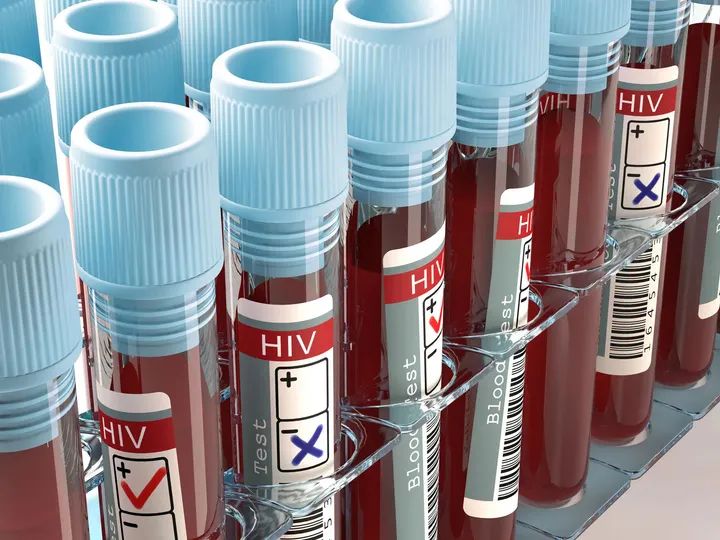
Medical experts have raised concerns over the growing number of new Human Immunodeficiency Virus (HIV) infections in Nigeria, warning that dwindling donor funding, worsening economic hardship and reduced public awareness campaigns are threatening years of progress in the country’s fight against the virus.
According to the Federal Ministry of Health and Social Welfare’s State of the Health of the Nation Report 2025, Nigeria recorded 102,025 new HIV infections across the 36 states and the Federal Capital Territory in 2025.

Health professionals say the increase reflects the combined impact of weakened HIV prevention programmes, reduced access to testing and counselling services, and the country’s worsening economic conditions, which have left many people more vulnerable to infection.
Tuberculosis and HIV specialist, Dr Dan Onwujekwe, said poverty has forced many Nigerians to seek treatment at unregistered health facilities, where unsafe medical practices, including the reuse of syringes and needles, expose patients to HIV and other blood-borne infections.
He also warned that the sharing of sharp instruments at barber shops, salons and beauty parlours remains another potential route of transmission if proper hygiene standards are not maintained.
Speaking on the effects of declining donor support, Onwujekwe said preventive healthcare services are often the first to suffer whenever funding is reduced.
“Whenever funding is cut, preventive healthcare services are usually the first to suffer. In fact, the 102,025 reported HIV cases may actually represent only the tip of the iceberg. Nigeria is a very large country, and the figure is probably only a fraction of the actual burden. However, that is the official figure currently available,” he said.
HIV researcher Dr Sule Abdullahi also expressed concern over the decline in international donor support, noting that disruptions in funding have affected the availability of HIV testing, treatment and other essential services.
According to him, interruptions in the supply of antiretroviral drugs could have serious consequences for patients and public health.
“If those supplies are disrupted, some patients may not receive their medications consistently. When people stop taking their drugs, their viral load increases, making transmission more likely,” Abdullahi explained.
He further observed that public awareness campaigns on HIV prevention have reduced significantly in recent years, leaving many people without adequate information about protecting themselves from infection.
Abdullahi urged the Federal Government to increase domestic investment in HIV programmes to bridge the funding gap created by declining foreign assistance. He also encouraged Nigerians to practise safer sex, undergo regular HIV testing and avoid behaviours that increase the risk of infection.
The experts stressed that sustained investment in prevention, treatment and public education remains essential if Nigeria is to maintain the gains recorded in its fight against HIV and prevent a further rise in new infections.




Related posts:
 Lagos Leads As Nigeria Records Over 102,000 New HIV Infections in 2025
Why Lagos Recorded the Highest HIV Cases in Nigeria in 2025 – LSACA Explains
 Nigeria Receives Long-Acting HIV Prevention Injection Lenacapavir
 Federal Government Clarifies Asylum Agreement With UK
 US Lawmakers Push to Cut Nigeria Aid Over Insecurity, Religious Violence
 South Africa to Recover Deportation Costs from Nigeria