



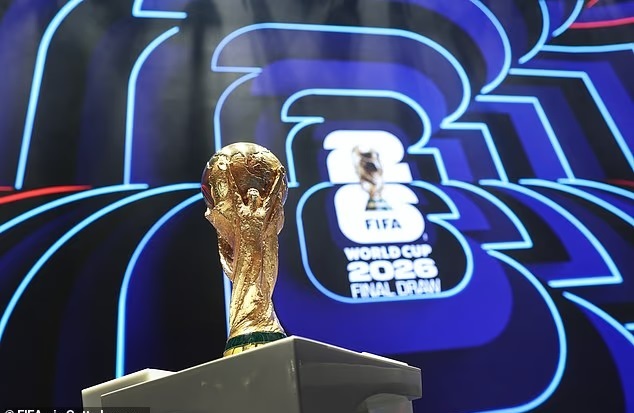
Conquest Magazine understands that Iran has reportedly presented a list of demands to FIFA and the United States government before confirming its participation in the 2026 FIFA World Cup, as political tensions continue to cast uncertainty over the tournament.
The Iranian Football Federation (FFIRI) stated that the national team would compete “without any retreat from our beliefs, culture and convictions,” while insisting that tournament organisers and host nations must address the country’s concerns ahead of the competition.

The statement follows an incident involving FFIRI president Mehdi Taj, who was denied entry into Canada ahead of last month’s FIFA Congress. The development has intensified concerns over how Iranian officials, players, and delegates may be treated during the World Cup, which will be jointly hosted by the United States, Mexico, and Canada.
Taj later revealed that Iran had submitted 10 separate conditions to FIFA before agreeing to participate in the expanded tournament scheduled to begin on June 11, 2026.
Among the federation’s key demands are guarantees that all members of the Iranian delegation — including players, coaching staff, and officials — will receive visas and be allowed unrestricted travel between the three host nations throughout the tournament.
The issue remains highly sensitive due to reports that some members of the delegation previously completed military service connected to Iran’s Islamic Revolutionary Guard Corps (IRGC), an organisation officially designated as a terrorist group by both the United States and Canada.
Reports suggest Taj’s alleged links to the IRGC contributed to the Canadian government’s decision to block his entry ahead of the FIFA gathering.
Iran is also requesting formal assurances regarding the treatment of its national symbols during the competition, including protections for the Iranian flag and national anthem, as well as enhanced security measures at airports, hotels, and stadium venues.
However, several of Tehran’s requests may fall outside FIFA’s direct authority, particularly matters involving immigration, visa approvals, border control, and national security screenings, which remain under the jurisdiction of host governments.
US Secretary of State Marco Rubio has reportedly stated that Iranian players would be allowed to compete at the World Cup, although individuals with connections to the IRGC could still face restrictions when attempting to enter the country.
The situation leaves FIFA navigating a delicate balance between ensuring the participation of qualified nations and managing growing diplomatic tensions between Tehran and Washington.
Political uncertainty surrounding Iran’s involvement in the tournament escalated earlier this year after Israel and the United States carried out large-scale strikes on Iran on February 28, prompting retaliatory attacks by Iran against Israel and Gulf states aligned with Washington.
In March, Iran claimed it would not participate in the 2026 FIFA World Cup due to safety concerns stemming from the escalating conflict.
At the time, US President Donald Trump said Iran would be “welcome” at the tournament, while also suggesting the nation should reconsider participating “for their own life and safety.”




Related posts:
 Iran Withdraws from 2026 World Cup Over Security Concerns
 FIFA Introduces Rule Requiring Female Coaches in Women’s Tournaments
 Super Eagles Beat Iran 2–1 in Antalya Friendly
 Spain Blocks U.S. Use of Airspace, Bases Over Iran War
 FIFA Steps In As Anti-Muslim Chants Spark Fresh Debate on Spanish Football Culture
 2026 World Cup: US Lawmakers Urge FIFA to Pay for Fan Transportation