



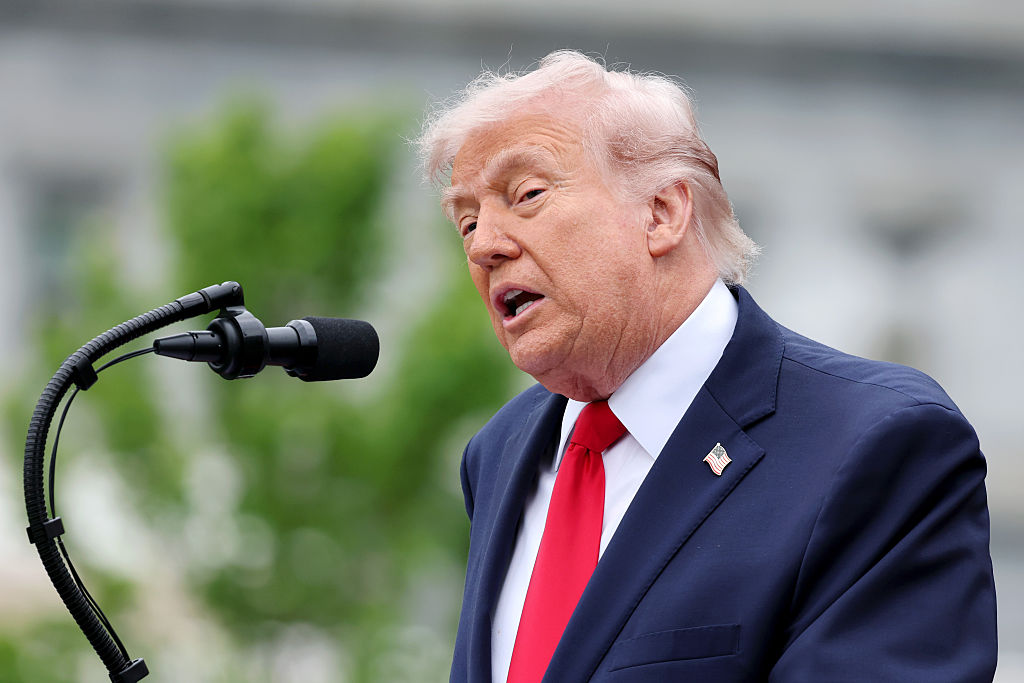
At Conquest Magazine, global attention is fixed on renewed uncertainty in U.S.–Iran relations, as former U.S. President Donald Trump weighs a fresh peace proposal from Tehran while warning that further military action remains on the table.
Trump disclosed on Saturday, May 2, that he would soon review a newly submitted plan from Iran but expressed skepticism about its viability. Writing on his Truth Social platform, he stated that he “can’t imagine that it would be acceptable,” adding that Iran had “not yet paid a big enough price” for its actions over the past decades.

The proposal, reportedly a 14-point framework delivered through Pakistan as a mediator, comes at a fragile moment following a ceasefire that took effect on April 8. Efforts to end the conflict—now stretching beyond two months—have yet to yield a lasting agreement.
Speaking to reporters, Trump did not dismiss the possibility of renewed military action, suggesting that escalation could occur if Iran fails to meet expectations. His remarks underscore the precarious balance between diplomacy and confrontation that continues to define the standoff.
Iranian officials have also indicated that tensions remain high. Senior military figure Mohammad Jafar Asadi warned that a renewed conflict between the two nations is “likely,” accusing Washington of failing to uphold its commitments. Meanwhile, Deputy Foreign Minister Kazem Gharibabadi stated that responsibility now rests with the United States, emphasizing that Iran is prepared for both negotiation and escalation.
At the center of the dispute are Iran’s nuclear ambitions and control over the Strait of Hormuz, a strategic waterway critical to global oil supply. Restrictions imposed by Iran during the conflict have contributed to a sharp rise in global oil prices, intensifying economic concerns worldwide.
The broader regional impact is also becoming evident. In neighboring Lebanon, Israeli strikes targeting Hezbollah positions have continued despite a separate truce, with reports of casualties and retaliatory actions further complicating the security landscape.
Back in Washington, the situation has fueled domestic political debate. Lawmakers are questioning whether the administration has exceeded the legal timeframe for military engagement without congressional approval, though officials argue that the ceasefire effectively paused that requirement.
Inside Iran, the economic toll is deepening. Inflation has reportedly surged past 50 percent, while disruptions to oil exports continue to strain the country’s finances. Residents describe growing hardship, with many struggling to cope as savings diminish and uncertainty persists.
Despite the ceasefire, both Washington and Tehran appear to be preparing for divergent paths—either renewed diplomacy or a return to conflict—leaving the fate of the latest proposal hanging in the balance.




Related posts:
 I Must Be A Part Of Your Decision To Select Your Next Supreme Leader – Trump Tells Iranians
 Iran Warns Trump to ‘Be Careful’ Amid Escalating War of Words
 Trump Criticises UK Response to Iran Conflict, Urges Greater Support in Strait of Hormuz
 Trump Claims ‘Regime Change’ in Iran Following US-Israel Strikes
 Israel Backs Trump’s Iran Ceasefire Move, Excludes Lebanon From Truce
 Tensions Escalate in the Strait of Hormuz As Trump Extends Ceasefire