



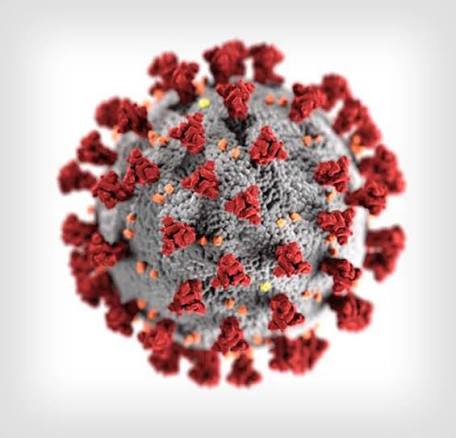
In a recent update reported by Conquest Magazine, the Cross River State Government has confirmed a new case of COVID-19, marking the state’s first officially recorded infection since 2022.
The announcement was made by the State Commissioner for Health, Henry Egbe Ayuk, who addressed the situation on Tuesday in Calabar. He reassured residents that the case is under control and does not call for panic, emphasizing that health authorities are actively managing the situation.

According to Ayuk, the confirmed case involves a 53-year-old Chinese expatriate who arrived in Nigeria through Lagos on March 17, 2026, before traveling to a factory located in Akamkpa. It was there that the individual first began to exhibit mild symptoms consistent with the virus.
The patient was subsequently referred to the University of Calabar Teaching Hospital, where samples were taken and the infection was confirmed. Health officials report that the patient is currently receiving treatment at the state’s designated isolation centre and is responding well.
Ayuk explained that the government intentionally delayed announcing the case until all diagnostic protocols had been completed, a move aimed at preventing misinformation and unnecessary alarm. He reiterated that the state’s disease surveillance systems remain active and vigilant.
Further insight was provided by the State Epidemiologist, Inyang Ekpenyong, who noted that even a single confirmed infection qualifies as an outbreak under public health guidelines. She revealed that the state has activated its Emergency Operations Centre, deployed rapid response teams, and initiated contact tracing efforts.
Ekpenyong added that individuals who may have come into contact with the patient are being closely monitored throughout the virus’s incubation period, which ranges from two to 14 days. She also cautioned that some COVID-19 cases may go undetected due to mild symptoms or similarities with other common illnesses such as malaria, including fever, cough, and sore throat.
The development serves as a reminder that while the global intensity of the pandemic has eased, vigilance remains essential in preventing new outbreaks and ensuring public safety.




Related posts:
 Nigeria Receives Long-Acting HIV Prevention Injection Lenacapavir
 NAFDAC Alart Nigerians Of Fake Cancer Drugs in Circulation
 Oxford Study Suggests Regular Ejaculations May Support Male Fertility
 NARD Threatens Strike Over Assault on Ogun Female Doctor
 Kwara Best Place for Childbirth, Child Upbringing in Nigeria — Health Commissioner, Aminat
 Study Raises Alarm Over Early Antibiotic Resistance Genes Found in Newborns