



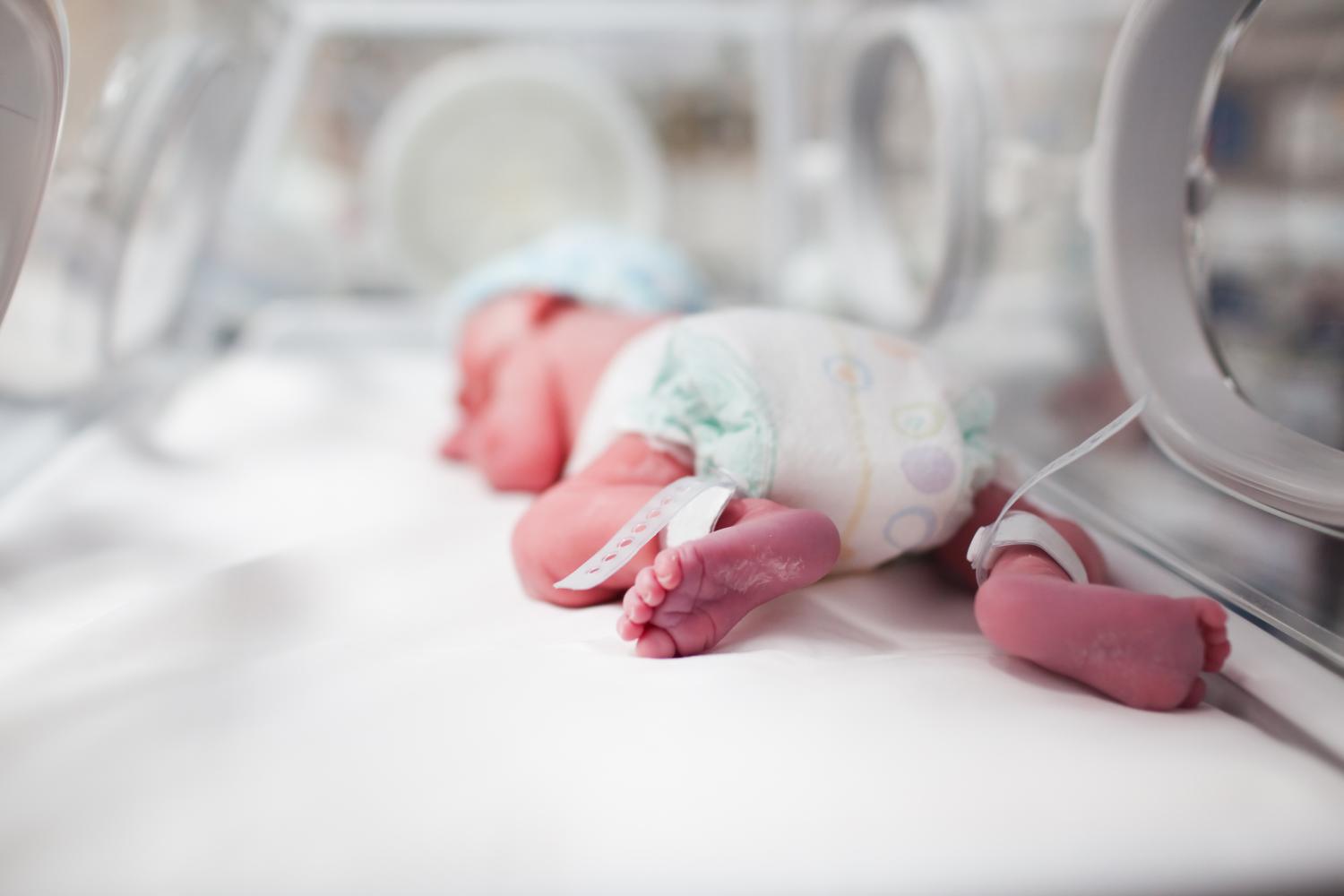
Conquest Magazine reports on emerging scientific findings that suggest newborn babies may be exposed to antibiotic resistance genes far earlier in life than previously believed, raising new concerns about long-term health risks and microbial development in infancy.
For years, scientists operated on the assumption that a newborn’s gut begins life in a near-sterile state, gradually acquiring bacteria through birth, breastfeeding, and early environmental exposure. However, new research presented at the European Society of Clinical Microbiology and Infectious Diseases Global 2026 meeting challenges that long-held view, suggesting microbial exposure may begin much earlier—potentially even before birth.

In the study, researchers examined stool samples from 105 infants admitted to neonatal intensive care units within the first 72 hours of life. The aim was to capture the earliest possible window of microbial colonisation and genetic exposure. What they found has raised concern among specialists: the presence of antibiotic resistance genes (ARGs) in newborn gut microbiomes.
ARGs are segments of bacterial DNA that enable microorganisms to survive antibiotic treatment, making infections harder to treat and, in some cases, more dangerous. Their presence so early in life suggests that resistance traits may already be established in the neonatal gut at a much earlier stage than previously documented.
Lead author Dr. Argyro Ftergioti described the findings as particularly significant, noting that:
“The neonatal gut harbors a diverse resistome, and the presence of clinically important ARGs so early in life is concerning.”
The study identified genes linked to resistance against commonly used antibiotics, including mechanisms that can break down widely prescribed medications. Researchers also observed associations between the presence of resistance genes and several maternal and early medical factors, such as maternal hospitalisation during pregnancy and neonatal intensive care interventions like central venous catheter placement.
Scientists believe these findings point to a combination of maternal transmission during pregnancy or childbirth and very early hospital exposure as key pathways for microbial transfer. While some level of gene transfer was anticipated, researchers said the widespread presence of resistance genes across most samples was unexpected.
Although gut bacteria play a critical role in shaping a child’s immune system, digestion, and overall development, an imbalanced microbiome has been linked in previous studies to increased risk of infections and chronic conditions later in life, including asthma, diabetes, and attention-related disorders.
Earlier research has also suggested that newborns may host far more microbial diversity than once assumed, including thousands of viral species alongside bacterial populations, underscoring how early and complex microbial colonisation may be.
Ftergioti emphasised that while more research is needed to understand the long-term impact of early antibiotic resistance gene exposure, the findings highlight an urgent need for stronger infection control measures in neonatal care settings, as well as closer monitoring of antibiotic use during pregnancy and early life.
As scientists continue to unravel the complexities of the infant microbiome, this study adds a new layer of urgency to global conversations about antibiotic resistance and its potential to shape human health from the very earliest stages of life.




Related posts:
 14.3 Million Nigerians Consumed Illicit Drugs in A Single Year
 Nigeria Receives Long-Acting HIV Prevention Injection Lenacapavir
 NAFDAC Alart Nigerians Of Fake Cancer Drugs in Circulation
 Oxford Study Suggests Regular Ejaculations May Support Male Fertility
 NARD Threatens Strike Over Assault on Ogun Female Doctor
 Kwara Best Place for Childbirth, Child Upbringing in Nigeria — Health Commissioner, Aminat