



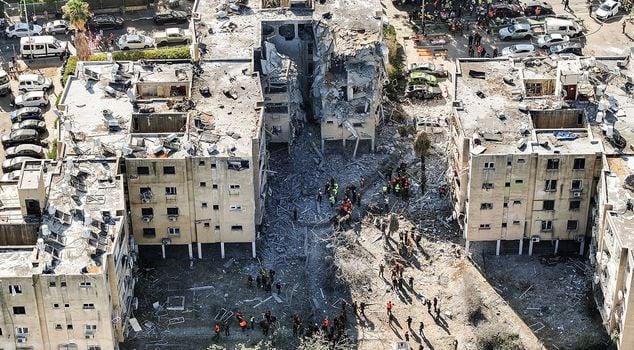
In today’s global landscape, conflict is often measured in headlines—numbers, timelines, and political statements. But behind those figures lies a deeper reality: the immense human and moral cost of war.
Recent reports estimate that damage from joint military strikes by the United States and Israel against Iran could reach as high as $270 billion. According to Iranian officials, this figure is still preliminary, with further assessments expected to reveal even more layers of destruction. Entire communities, infrastructure systems, and livelihoods now lie in the balance.

The escalation began in late February, when coordinated strikes triggered a chain reaction across the region. In response, Iran launched retaliatory attacks affecting multiple countries, including Israel and neighboring states hosting foreign military bases. Though a temporary ceasefire has since been reached, the wounds—both visible and unseen—remain far from healed.
Efforts at diplomacy have yet to produce a breakthrough. Talks between Iranian and American delegations in Islamabad stretched over 21 hours but ended without agreement. Among the key issues raised is the question of war reparations an attempt to assign responsibility in a situation where accountability is often difficult to define and even harder to enforce.
Yet, beyond the political negotiations and economic estimates lies a more pressing question: what is the true cost of conflict?
It is not only counted in billions of dollars, but in disrupted lives, broken families, and lost futures. It is seen in the fear that lingers after the bombs stop falling, and in the uncertainty that follows even the most fragile ceasefires.
For young people observing these events from afar, it can be easy to feel disconnected or even powerless. But moments like these call for awareness, reflection, and a renewed commitment to peace. They challenge us to think critically about the systems and decisions that lead to violence, and to consider how we can become voices for reconciliation in our own communities.
In a world where conflict can escalate rapidly and consequences can span generations, the call to build peace is more urgent than ever. Not just through global agreements, but through everyday choices rooted in respect, justice, and compassion.
Because while wars may begin with strategy, their endings and their healing depend on humanity.




Related posts:
 I Must Be A Part Of Your Decision To Select Your Next Supreme Leader – Trump Tells Iranians
 FG Reaffirms Commitment to Protect Nigerians in Iran, Activates Evacuation Plans
 Iran Warns Trump to ‘Be Careful’ Amid Escalating War of Words
 Trump Criticises UK Response to Iran Conflict, Urges Greater Support in Strait of Hormuz
 U.S. Deploys Three Warships to Middle East as Iran Tensions Escalate
 Putin Dismisses Reports Of Drones Supply To Iran, Calls It False and Misleading