



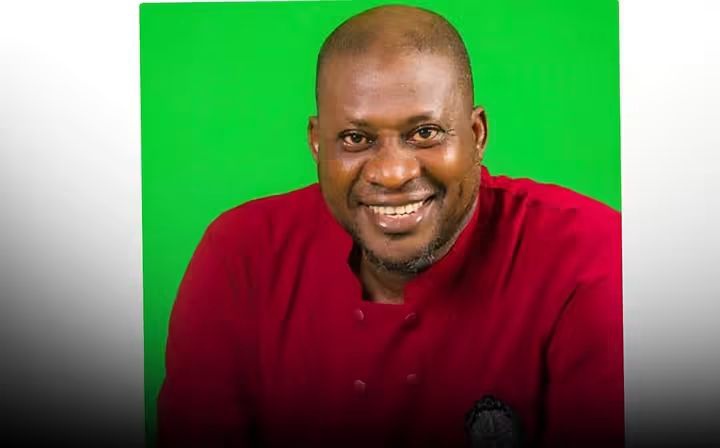
Nollywood actor Laide Olabanji has blamed Nigeria’s slow pace of development on poor leadership, accusing successive political leaders of failing to provide the country with the basic infrastructure and services needed for meaningful growth.
The actor argued that Nigeria was not a wrong choice for its citizens, but had suffered from the poor decisions of those elected to govern it.

According to him, a country cannot make significant progress without leaders who are committed to its development.
“We didn’t choose the wrong country; we only chose the wrong leaders. A country where there are no good leaders, the growth of such a country will be stunted,” he said.
Olabanji also expressed disappointment over Nigeria’s electricity crisis, using South Africa as an example of a country that has made considerable progress despite Nigeria’s historical support for its struggle for independence.
He recalled Nigeria’s contribution to the anti-apartheid struggle, questioning how South Africa had managed to move ahead of Nigeria in electricity generation and development.
“Nigeria was among those who fought for the independence of South Africa, but today South Africa is leading while Nigeria is behind.
“South Africa’s population is about 50 million, but it has 58,000 megawatts of electricity, while Nigeria, with a population of 250 million, is using just 1,000 megawatts of electricity and is still struggling with it. This tells you how much Nigeria has been spoilt,” he said.
The actor further lamented the state of infrastructure and essential services in Nigeria, pointing to persistent electricity shortages, poor roads, fuel supply challenges and inadequate healthcare.
Comparing the situation with neighbouring countries, Olabanji said Nigerians were struggling to access basic necessities that should be readily available.
“Cotonou has electricity, even Ghana, but Nigeria is in darkness. There is no light, no roads, no petrol, no hospitals, and we are in darkness. Even feeding is difficult,” he added.
He also turned his criticism towards Yoruba supporters of the current administration, accusing them of backing the government despite experiencing the same economic hardship and poor living conditions as other Nigerians.
Olabanji questioned why some supporters would want those he accused of contributing to the country’s problems to return to power despite the difficulties facing ordinary citizens.
“The Yoruba people supporting the current administration are hungry and sleeping in darkness, yet they want those who destroyed the country to return to power.
“Nigeria has been destroyed,” he said.
His comments reflect growing public frustration over electricity supply, the cost of living and the state of basic infrastructure, issues that continue to dominate conversations about Nigeria’s leadership and development.




Related posts:
 JAPA: UK Increases Visa Fees For Nigerians
 Nigeria Has Everything to Prosper but Leadership Has Failed – Femi Adesina
 Rising Food Costs to Worsen Poverty in Nigeria — IMF
 Japan Commits ₦20bn To Support Nigeria’s Power Grid Expansion
 ‘I returned to Nigeria to serve, not enrich myself’ — NAFDAC DG Moji Adeyeye
 The Job We Give Jesus In Nigeria Is Too Much— Peter Obi