



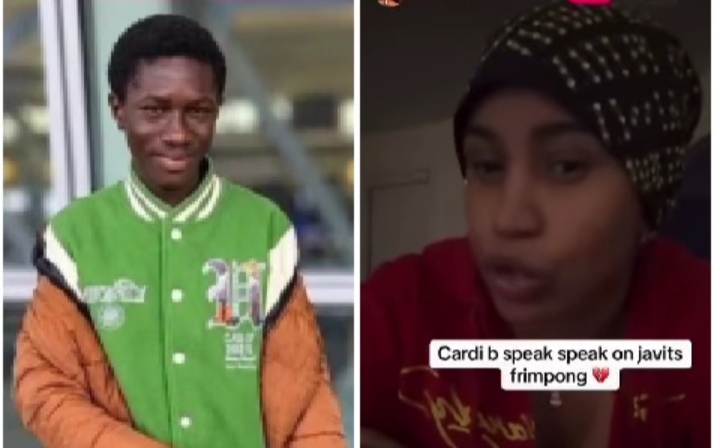
American rapper Cardi B has condemned the growing problem of bullying in New York schools following the fatal shooting of 15-year-old Ghanaian boy, Javits Frimpong, in the Bronx.
The rapper, who spoke during an extended live video, described bullying as a deeply rooted problem in New York schools, claiming that it begins as early as first grade and can have serious consequences for children who are repeatedly targeted.

She warned that persistent harassment could leave vulnerable pupils feeling unsafe and push some towards joining gangs in search of protection.
Cardi B also raised concerns about the treatment of immigrant children, particularly those from African and Caribbean backgrounds, who she said often face discrimination and bullying because of their accents, cultural backgrounds and unfamiliarity with American society.
Discussing the behaviour of bullies, the rapper identified two categories of children: those whose actions may be influenced by difficult circumstances at home and others whose parents continue to defend their behaviour despite repeated complaints from teachers.
She urged parents to take reports of bullying seriously, teach their children to treat others with kindness and stop making excuses for them when they mistreat their classmates.
Her comments followed the death of Javits, who reportedly moved from Ghana to New York to live with his father about a year ago.
The teenager was shot while on his way to school near Crotona Park in the Bronx on October 29.
His father had raised concerns about a possible connection between the shooting and bullying, alleging that two students had been suspended for bullying his son just three days before the fatal incident.
Reacting to the circumstances surrounding the teenager’s death, Cardi B questioned why anyone would target a child who had done nothing to provoke such hostility.
The rapper also expressed concerns about raising children in New York City, saying she would never bring up her children in a neighbourhood where they could be exposed to the level of bullying and hostility she believes young people experience.
Her intervention has brought renewed attention to school bullying, the experiences of immigrant children and the responsibility of parents and school authorities to protect pupils from harassment.




Related posts:
 Insecurity: He Has Done His Best – Pastor Adeboye Defends Tinubu
 Lagos Bus Conductor Arrested for Allegedly Stabbing LASTMA Officer at Ile-Epo Market
 Veteran Yoruba Actor Elegbeje Ado Dies
 Tinubu Deserves Credit for Security Efforts, Even if Crisis Persists – Gagdi
 Federal Government to Replace NYSC Khaki With Adire Uniform
 US Withdraws Troops From Nigeria, Shifts To Intelligence Support In Counterterrorism Fight