



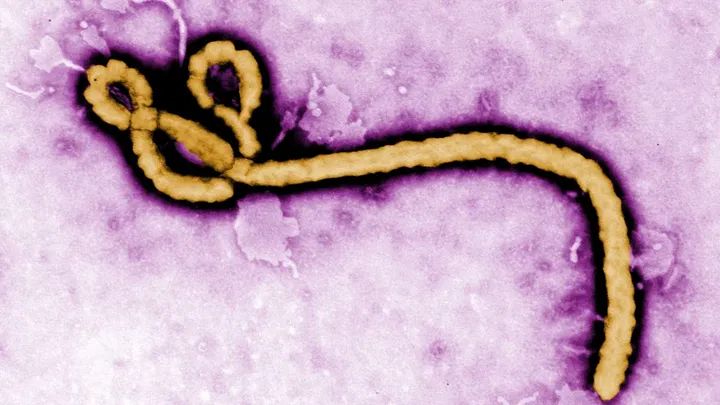
The World Health Organisation (WHO) has said Nigeria must complete a 42-day monitoring period before it can officially be declared free of Ebola, despite having no active cases following the evacuation of the infected patient to Switzerland.
The WHO Health Emergencies Programme Executive Director, Dr Chikwe Ihekweazu, said the 53 identified contacts of the patient must first be monitored for 21 days, followed by an additional 21-day period in line with established protocols.

Speaking on the country’s Ebola response, the WHO Regional Director for Africa, Mohamed Janabi, said Nigeria currently had no active cases after the patient and her husband were medically evacuated to Switzerland.
“The Nigerian medical team successfully managed her through the acute phase of the illness and stabilised her condition,” Janabi said.
He added, “With the evacuation of the patient and her husband, Nigeria currently has no Ebola cases.”
However, Ihekweazu stressed that the absence of active cases did not mean Nigeria could immediately be declared Ebola-free, as health authorities still had to complete the required monitoring process.
He explained that the 53 contacts had been identified through contact tracing and would need to be followed up to ensure that any possible transmission was detected promptly.
“What it means still is that we have about 53 people, contacts, individuals with whom that individual had contact over the days that she was ill. And now we have to continue to follow each of them for 21 days and then require another 21 days, coming up to 42, in order to declare Nigeria Ebola-free,” he said.
Ihekweazu also clarified that the patient’s evacuation was requested by her country of origin and should not be interpreted as evidence that Nigeria lacked the capacity to treat Ebola patients.
He commended the Nigerian health authorities for their response, particularly the speed of laboratory confirmation, genomic sequencing and the management of the patient during the acute phase of the illness.
“Nigeria’s going to be proud of the response so far,” he said.
Addressing concerns about political rallies and public gatherings, Ihekweazu said the WHO had not recommended restrictions on such activities in response to the outbreak.
He maintained that the organisation’s advice was based on public health evidence rather than political considerations.
“Our advice is never political. It’s always technical,” he said.
The WHO official urged Nigerians to trust the government and relevant health agencies as surveillance and contact-tracing efforts continue.
He said the daily monitoring of identified contacts remained essential to detecting any possible new infections early and preventing further transmission.
The 42-day period is therefore a key requirement in determining when Nigeria can officially be declared Ebola-free following the confirmed case.




Related posts:
 Ebola Cases Top 4,000 in DRC as WHO Urges Ervebo Vaccine Trial
 Nigeria on High Alert Over Ebola Importation Risk
 BREAKING: Nigeria Confirms Ebola Case in Woman Arriving From Uganda
Uganda Says Ebola Patient Had No Symptoms Before Leaving Country for Nigeria
 Ebola Death Toll in DR Congo Surpasses 1,000
 ‘I’m Bigger Than Peter Obi, I’ve Sacrificed More For Nigeria’ — Deji Adeyanju