



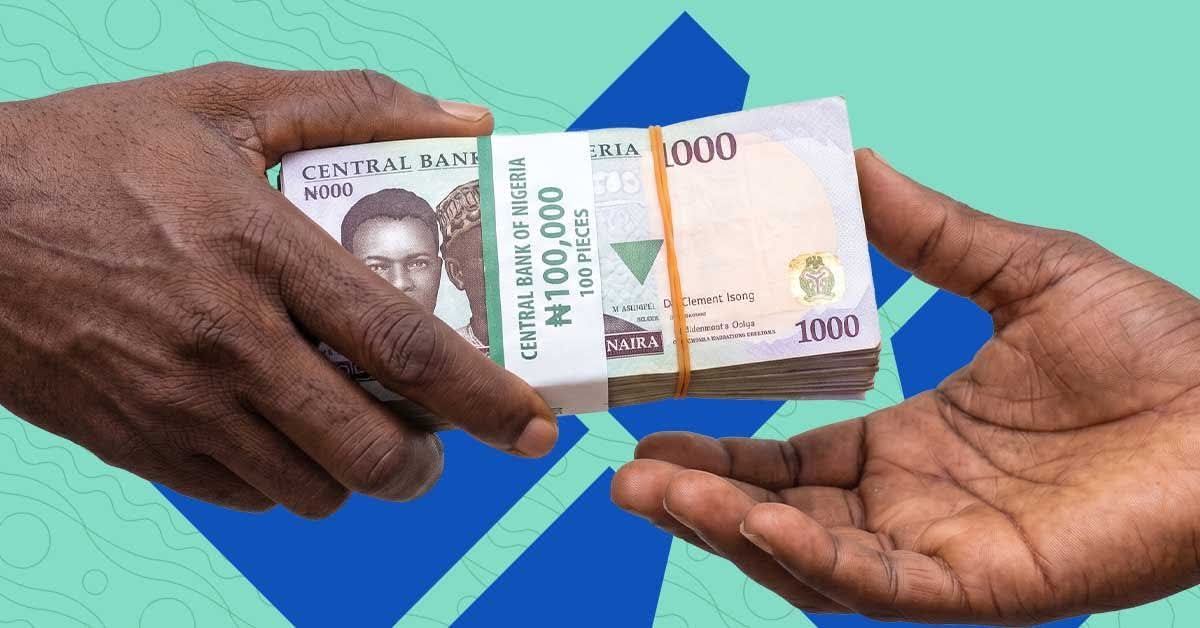
Psychiatrists have warned Nigerians against taking loans they cannot afford to repay, saying mounting debt and pressure from creditors can contribute to anxiety, emotional distress and other mental health problems.
The warning comes amid rising consumer borrowing, with a Central Bank of Nigeria (CBN) report showing that personal loans stood at ₦2.06tn in May 2026, accounting for 64.78 per cent of the ₦3.18tn in outstanding consumer credit.

Total consumer credit rose from ₦3.13tn in April to ₦3.18tn in May, an increase of ₦50bn.
Professor Taiwo Obindo, a psychiatry professor at the University of Jos and immediate past president of the Association of Psychiatrists in Nigeria, said the burden of unpaid debt could affect borrowers’ daily lives, disrupting their sleep and appetite and leaving them in persistently low moods.
He warned that prolonged financial stress could develop into more serious mental health difficulties, particularly when borrowers feel trapped by their repayment obligations.
Obindo also cautioned Nigerians against borrowing from loan sharks, citing reports of abusive debt recovery practices, including the misuse of borrowers’ personal information and physical abuse of defaulters.
He advised people struggling with debt to seek professional help and discuss their difficulties with trusted relatives or partners rather than suffer in silence.
He also warned against relying on alcohol, illicit drugs or sleeping pills to manage the stress associated with financial difficulties.
Similarly, Consultant Psychiatrist Dr Samuel Aladejare said many Nigerians resort to borrowing to make up for shortfalls in their income as the cost of living continues to put pressure on household budgets.
He explained that persistent calls and messages from debt collectors could worsen borrowers’ emotional distress, leaving some anxious whenever their phones ring.
According to him, the pressure can become particularly difficult for people who have no clear means of meeting their repayment obligations.
Aladejare urged Nigerians to live within their means and carefully assess their ability to repay before taking out loans.
“Despite everything going on, we should try as much as possible not to allow desperation to push us into the hands of loan sharks who offer loans at very exorbitant rates,” he said.
The psychiatrists’ warning highlights the need for borrowers to consider both the financial and emotional consequences of taking on debt, particularly when dealing with lenders who impose excessive interest rates or use threatening recovery tactics.
While loans can provide temporary relief during financial emergencies, borrowing beyond one’s repayment capacity can create a cycle of debt and stress that becomes increasingly difficult to escape.
The experts urged Nigerians experiencing debt-related distress to seek support early and avoid turning to harmful coping mechanisms, stressing the importance of making informed borrowing decisions even in difficult economic circumstances.




Related posts:
 Stay, Defend Your Vote, Obi Tells Nigerians Ahmed of 2027 Elections
 A Nigerian Earning ₦60 Thousand Now is Better Off Than a Nigerian Who Japa Five Years Ago — Daniel Bwala
 NAFDAC Warns Nigerians Against Fake Diabetes Drugs in Circulation
 Nigerians Were Better off Under Military Rule — Donald Duke
 Politicians Are Your Product’ — Ndume Tells Nigerians To Take Responsibility For Poor Leadership
 INEC Debunks Fresh Nationwide Voter Registration, Warns Nigerians Against Fake Website