



The Presidency has defended President Bola Tinubu’s economic policies, with his Special Adviser on Information and Strategy, Bayo Onanuga, claiming that the price of a bag of rice has fallen from about ₦120,000 to below ₦50,000.
Onanuga argued that Nigeria’s economy had recorded significant improvements since Tinubu assumed office in May 2023, citing falling rice prices, rising foreign reserves and improved access to foreign exchange as evidence of progress.

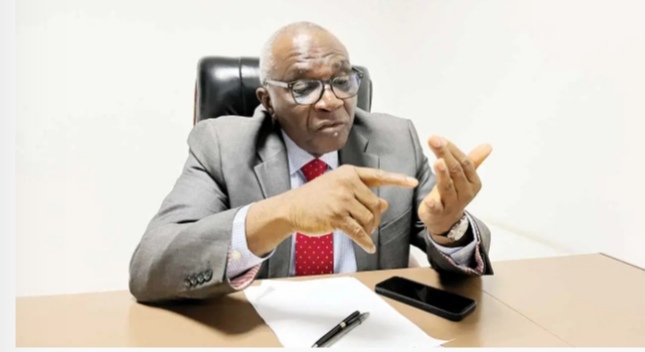
He made the remarks in a post on Friday while reacting to a video shared by Arise News on X featuring Obafemi George, a member of the media and strategic team.
The presidential aide accused television presenters of repeatedly promoting the opposition’s position that the economy had failed to improve under Tinubu’s administration.
“TV anchors keep pushing the opposition’s narrative that nothing has changed, positively, indeed, massively, since 2023,” Onanuga wrote.
He criticised broadcasters for questioning National Bureau of Statistics data indicating a decline in inflation, urging them to visit markets to assess changes in prices.
“Their position has become so ridiculous that they keep parroting the old narrative, and now they question the NBS data on receding inflation. I will advise them to revisit the markets,” he added.
On rice prices, Onanuga said a bag that previously sold for about ₦120,000 now cost less than ₦50,000, adding that the price had dropped to ₦45,000 in his hometown.
He also pointed to the country’s foreign reserves, improved access to foreign exchange for businesses and the ability of Nigerians to use naira-denominated cards abroad as signs of economic recovery.
The presidential aide claimed that Nigeria’s foreign reserves were approaching $60bn, arguing that improved foreign exchange availability had helped businesses obtain the funds needed to import raw materials and equipment.
Onanuga also challenged the suggestion that returning foreign investors were primarily portfolio investors. He maintained that foreign direct investment was bringing capital into the country and creating employment opportunities.
“These facts are clear to anyone not blinded by partisanship and hatred for the leader who has laid a solid foundation for the economy and is poised to take the nation to a higher level of shared prosperity,” he said.
His comments come amid continuing debate over the effects of the Tinubu administration’s economic reforms, particularly their impact on food prices, household purchasing power and the cost of living.
While the government has pointed to easing inflation and improvements in some economic indicators, many Nigerians remain concerned about the affordability of essential goods and the pressure on household budgets.




Related posts:
 Primate Ayodele To Nigerians, Avoid Tinubu’s Rice, More Hunger Is Coming
 NAFDAC Warns Nigerians Against Fake Diabetes Drugs in Circulation
 ICPC Clears Gbajabiamila in fake Agency Scandal
 Why South Africa Initially Denied Ayra Starr Visa — Consul-General
 ‘I’m Bigger Than Peter Obi, I’ve Sacrificed More For Nigeria’ — Deji Adeyanju
 Delta Commissioner Izeze Remanded in Custody, Oborevwori Suspends Him