



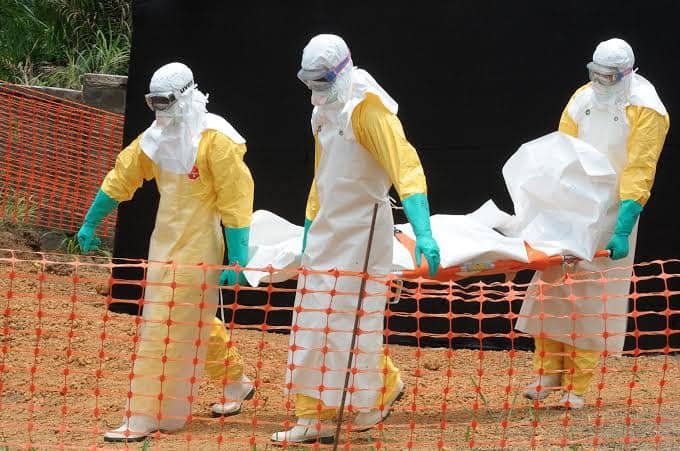
The death toll from the latest Ebola outbreak in the Democratic Republic of Congo has surpassed 2,000, with health experts warning that the rapid spread of the virus is creating a major public health challenge.
According to a report, government data showed that the outbreak had recorded 4,381 confirmed cases as the virus spread across parts of eastern and northeastern DRC, with earlier cases also reported across the border in Uganda.
The outbreak involves the Bundibugyo ebolavirus, a strain that experts say is genetically distinct from the Zaire strain responsible for the devastating 2014 West African Ebola epidemic.

An infectious disease specialist, David Wohl, a professor of medicine at the University of North Carolina at Chapel Hill, described the pace of the current outbreak as unprecedented.
He attributed the difficulty in containing the virus partly to dense populations, limited access to healthcare and ongoing conflict in affected areas, which has complicated efforts to trace contacts, provide treatment and establish quarantine measures.
Experts warn of treatment challenges
The emergence of the Bundibugyo strain has also created additional challenges for health authorities.
Wohl said treatments and vaccines previously developed for the Zaire strain are not approved for Bundibugyo-related disease, while their effectiveness against the new strain has not been established.
Researchers are therefore evaluating new therapeutic options and vaccine candidates, including the potential use of mRNA technology to accelerate the development of vaccines specifically targeting the strain.
Despite the rising death toll, experts stressed that the immediate risk to the average person in the United States remains extremely low.
According to Wohl, Ebola is primarily transmitted through direct contact with bodily fluids from severely ill or deceased infected people and does not spread through the air across a room.
He said the greater concern for the United States is the risk faced by healthcare workers travelling to affected parts of Africa to support containment efforts, as well as the possibility of further instability in the region.
Global health organisations, including the World Health Organisation and the United States Centers for Disease Control and Prevention, are continuing to monitor developments in the affected region.
Wohl urged the international community to increase support and resources for containment efforts, warning that the outbreak remains difficult to control.
“This is a fire that’s raging that continues to be out of control,” he said, stressing that thousands of people are suffering from the crisis.
Health experts have also noted that diseases such as measles, influenza, RSV and COVID-19 remain more immediate public-health concerns for Americans than Ebola.




Related posts:
 Fresh Ebola Outbreak Kills 65 in DR Congo, 246 Suspected Cases Recorded
 Ebola Death Toll in DR Congo Surpasses 1,000
 Ebola Outbreak: DR Congo World Cup Squad Ordered to Isolate Before US Entry
 NCDC Raises Ebola Surveillance Nationwide as Risk of Importation from Uganda, DR Congo Increases
 DRC Bans Mass Gathering as Ebola Cases Rise
 Ebola Cases Top 4,000 in DRC as WHO Urges Ervebo Vaccine Trial