



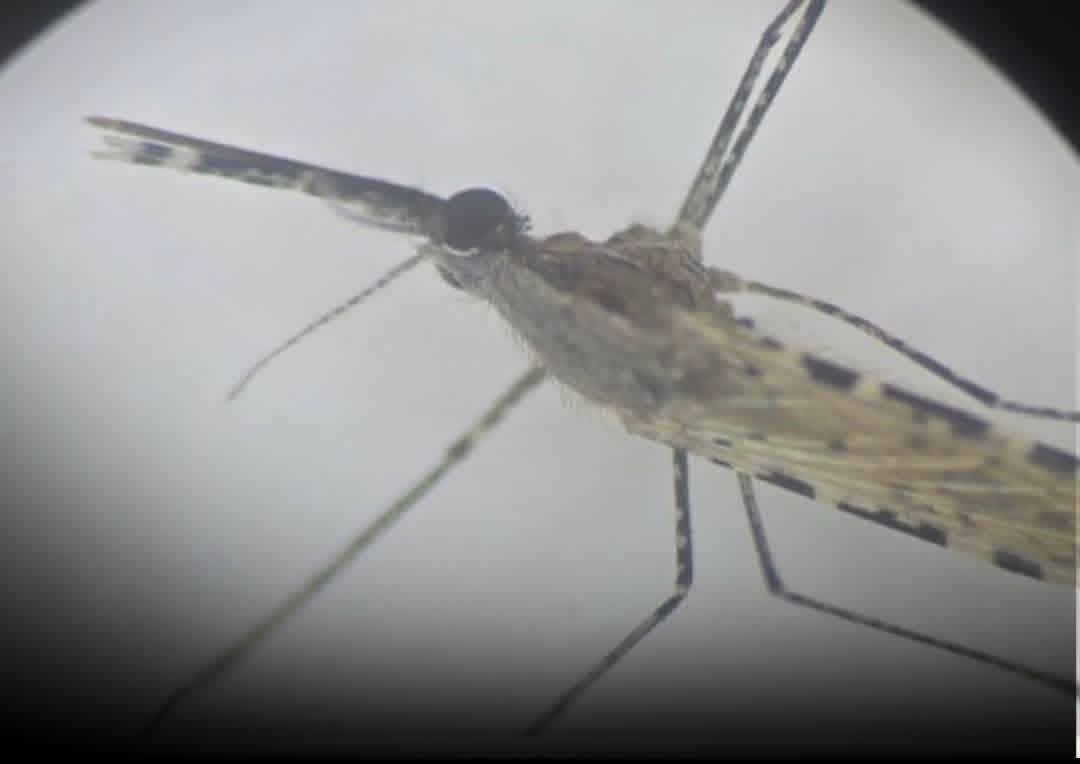
Scientists and public health experts have raised fresh concerns over the rapid spread of Anopheles stephensi, an invasive mosquito species capable of transmitting malaria, warning that its expansion could undermine Africa’s progress in the fight against the disease.
Unlike the mosquito species traditionally associated with malaria transmission in rural communities, Anopheles stephensi has adapted remarkably well to urban environments. It breeds in artificial water containers commonly found around homes, construction sites and densely populated cities, increasing the risk of malaria outbreaks in areas previously considered less vulnerable.

The mosquito’s ability to thrive in rapidly growing urban centres has heightened fears that millions more people could be exposed to malaria, particularly in cities where healthcare systems are already under pressure.
Health experts are also concerned by the insect’s resistance to most existing insecticides, a development that has reduced the effectiveness of conventional mosquito control measures such as insecticide-treated nets and indoor spraying.
In response to the growing threat, scientists are intensifying research into alternative control strategies, including biological methods, genetic technologies and the development of new insecticides capable of overcoming resistance.
Researchers stressed that no single country can tackle the challenge alone, calling for stronger international collaboration, improved disease surveillance and coordinated mosquito control efforts to prevent a resurgence of malaria across the continent.
They warned that swift action is essential to stop the invasive species from becoming firmly established in more African cities and reversing years of gains made in reducing malaria-related illnesses and deaths.




Related posts:
 Scientists Develop Experimental Drug That May Slow Aggressive Prostate Cancer
 Nigeria Receives Long-Acting HIV Prevention Injection Lenacapavir
 NARD Threatens Strike Over Assault on Ogun Female Doctor
 Lagos Leads As Nigeria Records Over 102,000 New HIV Infections in 2025
 NAFDAC Orders Nationwide Recall of Children’s Antibiotic Over Safety Concerns
 Federal Government Raises Nursing School Admissions to 50,000 to Tackle Health Worker Shortage