



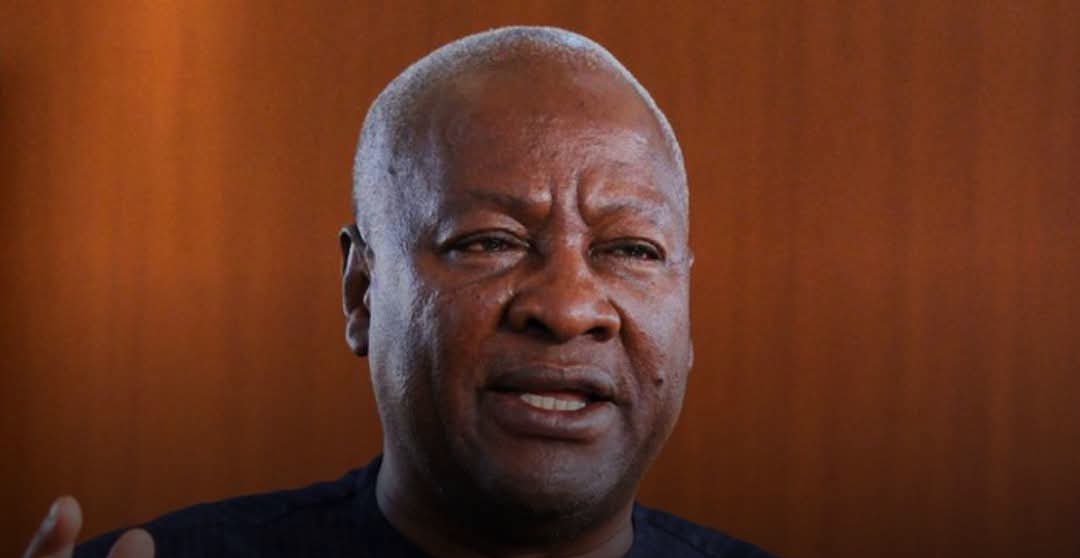
Ghana’s government has approved in principle a proposal to extend the tenure of the President and Members of Parliament from four years to five years as part of a sweeping constitutional reform agenda.
The proposal forms part of recommendations submitted by a constitutional review committee established by President John Dramani Mahama in 2025 to examine the country’s 1992 Constitution.

Announcing the government’s position on Thursday, Attorney General and Minister for Justice, Dominic Ayine, said the proposed extension would provide elected administrations with sufficient time to implement their policies and deliver on campaign promises.
According to Ayine, governments typically spend their first months settling into office, while the final year of their tenure is often dominated by preparations for the next general election, leaving a relatively short window for governance.
The government also accepted, with some modifications, the committee’s recommendation to lower the minimum age for presidential candidates.
While the review committee proposed reducing the age requirement from 40 to 30 years, the government opted for a compromise, recommending a new minimum age of 35 years.
As part of the proposed reforms, presidential elections would also be moved to the first week of November, creating a longer transition period before the inauguration of a new administration on 7 January.
Ayine disclosed that a separate committee would soon be constituted to prepare two constitutional amendment bills, with the drafting process expected to be completed by October 2026.
The proposed changes, particularly the extension of presidential and parliamentary terms, must still pass through Ghana’s constitutional amendment process before taking effect.
The final decision will rest with Ghanaian voters in a national referendum expected to be held in 2027.
Under Ghana’s constitutional provisions, the referendum will only be valid if at least 40 per cent of registered voters participate. In addition, no fewer than 75 per cent of valid votes cast must support the amendment for it to be adopted.
If approved, the reforms would mark one of the most significant constitutional changes in Ghana since the country’s return to democratic rule under the 1992 Constitution.




Related posts:
 Woman Collapses After Learning Husband Married Another Wife in Secret
 Ghana Rejects Ramaphosa’s Visit Over Alleged Killing of Citizen in South Africa
 Seyi Tinubu Will Pay Me’ – Actor Baraka Speaks on Unpaid 2023 Campaign Work
 Why Some Women Fake Pregnancies and Buy Babies — Ex-NAPTIP DG
 Did Anyone Beg You to Govern?’ Falz Fires Back at First Lady Over ‘Pressure’ Comment
 I’ll Sue Contractor Over Faulty NASS Microphones – Senate President, Akpabio Warns