



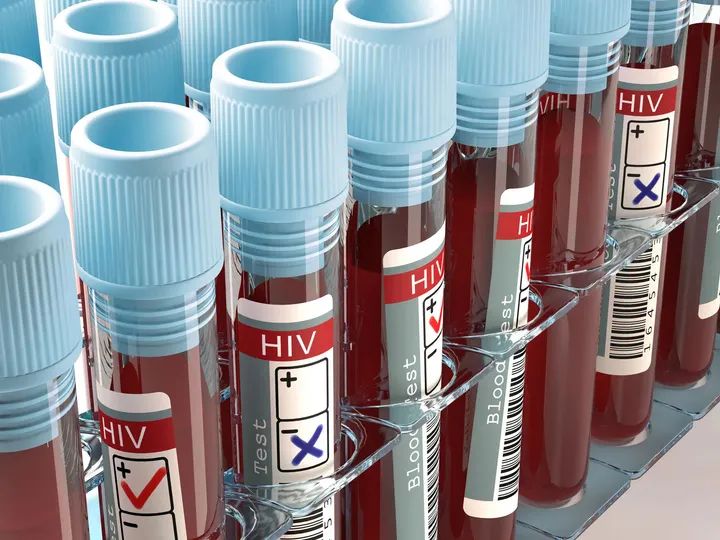
The Lagos State AIDS Control Agency (LSACA) has clarified that the 10,430 HIV cases recorded in the state in 2025 do not represent new infections, but rather the number of people diagnosed through expanded HIV testing services during the year.
The clarification follows widespread reports based on the Federal Ministry of Health and Social Welfare’s State of the Health of the Nation Report 2025, which listed Lagos as having the highest number of reported HIV cases among Nigeria’s 36 states and the Federal Capital Territory.

According to the report, Lagos recorded 10,430 HIV cases, followed by Rivers with 6,287, Kano with 6,106, Akwa Ibom with 5,413, Taraba with 4,854 and Benue with 4,804. Anambra reported 4,468 cases, while Kaduna, Adamawa and the Federal Capital Territory completed the top 10 with 3,659, 2,989 and 2,764 cases respectively.
Other states that recorded more than 2,000 cases included Cross River, Sokoto, Abia, Imo, Delta, Borno, Ogun, Plateau, Niger and Ebonyi, while Ekiti reported the lowest figure at 462.
Responding to public concern over the figures, LSACA stressed that the data reflects the number of people who tested positive and were documented through HIV testing programmes during the year. It noted that many of those diagnosed may have been living with the virus for years before learning their status.
“The 10,430 cases should not be interpreted as 10,430 new HIV infections that occurred in 2025. Rather, they represent individuals who were diagnosed and recorded through HIV testing services during the year,” the agency said.
LSACA explained that Lagos’ position as Nigeria’s commercial and economic hub naturally attracts millions of residents, workers, students and visitors from across the country, many of whom access healthcare services within the state.
The agency also attributed the high figure to Lagos’ robust HIV surveillance, testing and reporting systems, describing them as among the most comprehensive in Nigeria.
It added that as access to HIV testing continues to improve and more people choose to know their status, previously undiagnosed cases are being identified and linked to life-saving treatment.
The agency urged the public to interpret the figures correctly, emphasising that increased diagnoses reflect improved access to testing and healthcare rather than a sudden surge in new HIV infections.




Related posts:
 Lagos Leads As Nigeria Records Over 102,000 New HIV Infections in 2025
 14.3 Million Nigerians Consumed Illicit Drugs in A Single Year
 Lagos Frees Policemen, Developer Over Killing of Six Traders
 UK Parliament Approves Landmark Bill to Create ‘Smoke-Free Generation’
 Three Dead in Suspected Hantavirus Outbreak on Atlantic Cruise Ship
 Federal Government Bans Okada, Keke on Lagos-Calabar Coastal Highway