



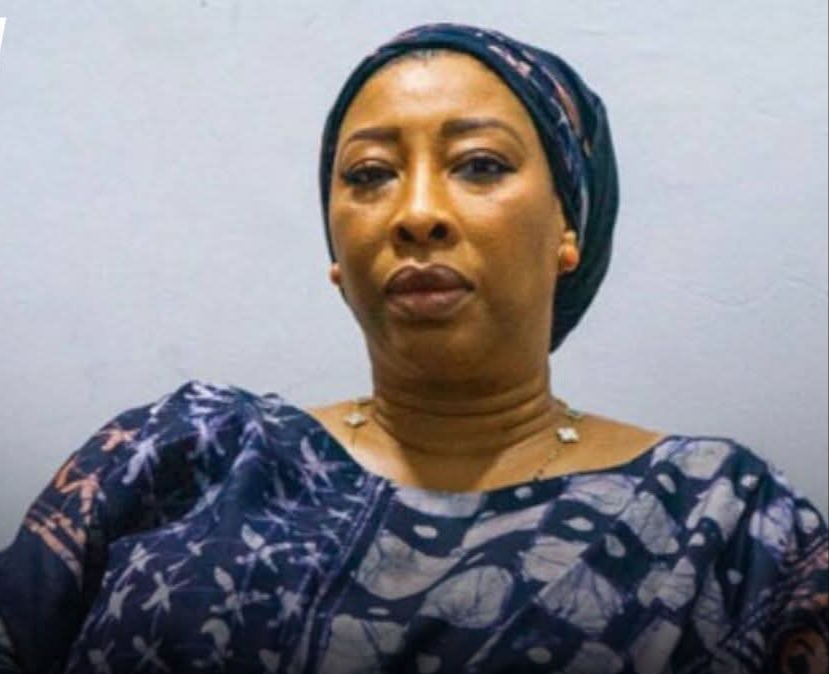
A chieftain of the African Democratic Congress (ADC), Hon. Nnenna Ukeje, has explained why she declined to support President Bola Tinubu during the 2023 presidential election, despite having long admired his political achievements in Lagos State.
Speaking in a recent interview, Ukeje said she had followed Tinubu’s political journey with admiration for many years, particularly his role as a leading opposition figure during the administration of former President Olusegun Obasanjo and his contribution to the transformation of Lagos State.

According to her, Tinubu successfully built a reputation as a reform-minded leader whose policies laid the foundation for the development efforts later sustained by former Lagos governor Babatunde Raji Fashola.
Ukeje noted that many Nigerians were drawn to Tinubu’s portrayal of Lagos as a “mini Nigeria” — a diverse and inclusive model of governance that could be replicated at the national level.
However, she said her expectations were not met after he assumed office as president.
“I’m not angry, I’m disappointed,” Ukeje said, explaining that her disappointment stemmed from the high hopes she had placed in his administration.
She argued that the experience has reinforced her belief that success at the regional level does not always translate into effective national leadership.
“The Tinubu presidency has strengthened my view that regional champions do not necessarily make central champions,” she said.
Ukeje further criticised what she described as a lack of inclusiveness in the current administration, alleging that the president has surrounded himself with a close circle of associates from Lagos and that the government often appears to reflect “Lagos State in Abuja”.
Explaining her preference for former Vice President Atiku Abubakar during the election, she pointed to some of the political figures within his camp, including David Mark and Aminu Waziri Tambuwal, whom she described as experienced statesmen with a history of defending democratic institutions and constitutional governance.
She also dismissed suggestions that Atiku failed to demonstrate commitment to tackling terrorism. As an example, she recalled how, following the abduction of the Chibok schoolgirls, Atiku facilitated educational opportunities for some of the rescued girls at the American University of Nigeria in Yola.
According to Ukeje, the initiative not only provided the girls with access to education and a chance to rebuild their lives but also served as a symbolic challenge to Boko Haram’s opposition to Western education.
Her remarks add to the growing debate over leadership, inclusiveness and governance as political stakeholders continue to assess the performance of the current administration ahead of future electoral contests.




Related posts:
 Yahaya Bello Confirmed for APC Primary Amid Fraud Case with EFCC
 “I’ve Never Run From Anybody” – Peter Obi Dismisses Claims of Avoiding Atiku
 Amaechi Rejects ADC Presidential Primary Results, Calls Outcome “Concocted”
 Turaki-Led PDP Faction Declares Goodluck Jonathan Presidential Candidate in Absentia for 2027
 I Believe Oyo Government May Be Using Kidnappings to Blackmail Tinubu — Fayose
 Tinubu Administration’s Economic Reforms Slow to Reach Nigerians Due to Population, Says Presidential Adviser