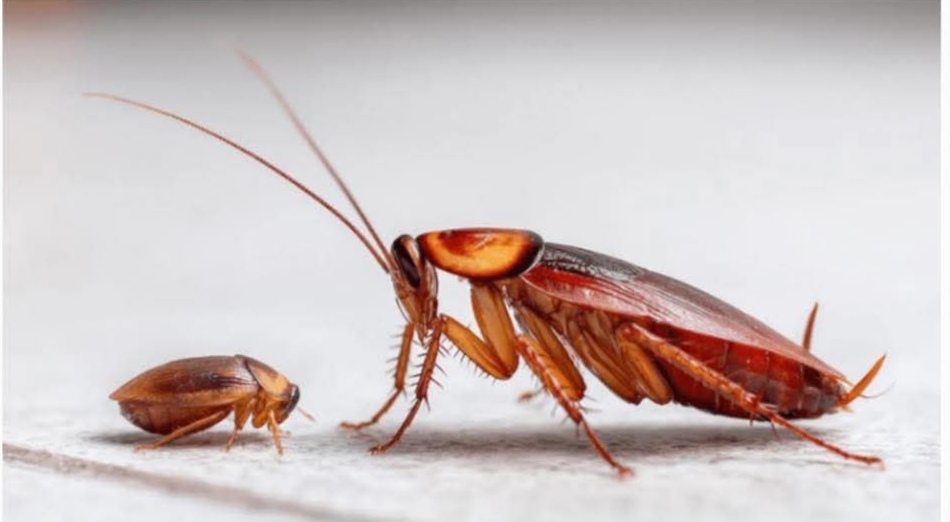
Australian authorities have intercepted more than 100,000 live exotic cockroaches linked to a suspected wildlife trafficking operation, in what officials describe as the largest seizure of illegal invertebrates ever recorded in the country’s history.
The Australian Department of Climate Change, Energy, the Environment and Water announced on Friday that the insects, valued at approximately AU$200,000, were discovered during a raid on a commercial breeding facility in Bathurst, New South Wales, in May.

Among the seized insects were Madagascar hissing cockroaches and Dubia cockroaches species that are not native to Australia and are prohibited under the country’s strict biosecurity laws.
Authorities believe the insects were being bred on a large scale, potentially for sale as feed for reptiles and other exotic pets. The discovery has heightened concerns over the risks posed by the illegal wildlife trade to Australia’s environment and agricultural sector.
In a statement, the department warned that exotic cockroach species have not undergone environmental risk assessments and could threaten native wildlife or introduce diseases if released into the wild.
“Exotic cockroaches have not been subject to an environmental risk assessment and could spread disease or harm native wildlife,” the department said.
Officials stressed that Australia’s laws strictly prohibit the importation, breeding, keeping, or sale of such species, citing the potential consequences for the country’s unique ecosystems.
The seized cockroaches are considerably larger than most native Australian species, raising concerns that they could disrupt local habitats if allowed to establish populations in the wild.
A spokesperson for the department said strong enforcement measures remain essential to protecting Australia’s biodiversity and food production industries from invasive pests.
“Australia has strict biosecurity controls at its borders to protect its agriculture and horticulture sectors and native wildlife from pest infestations,” the spokesperson said.
Biosecurity experts also cautioned that the introduction of non-native insects can have far-reaching environmental consequences, including the spread of disease and damage to delicate ecosystems.
The department confirmed that all of the confiscated cockroaches will be humanely destroyed in accordance with established biosecurity protocols.
Despite uncovering what appears to be a large-scale illegal breeding operation, authorities said no charges have been filed against the breeder at this stage, while investigations continue.