



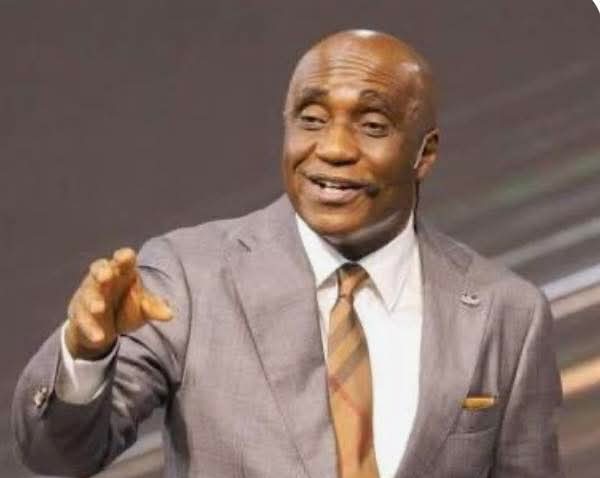
As political activities gradually gather momentum ahead of the 2027 general elections, prominent cleric David Ibiyeomie has cautioned Nigerians against selling their votes for financial inducements, warning that the consequences of such decisions often outlast the temporary benefits.
Speaking during Sunday’s church service, Ibiyeomie urged citizens to reject vote-buying and instead make electoral choices based on competence, integrity and the capacity to deliver meaningful leadership.

According to the pastor, the money often offered to voters during elections may provide only short-term relief, while the effects of poor governance can linger for years.
“If any of you collect money to go and vote and say, ‘it is money I will eat,’ remember that the money may only last for one week. What about the remaining years of the administration? Never sell your conscience for money,” he told the congregation.
The cleric stressed that Nigerians should look beyond party affiliations when casting their ballots, insisting that the focus should be on individuals with the ability and character to govern effectively.
“Don’t vote for a party; vote for someone who can deliver,” he said.
Ibiyeomie also called on citizens to resist oppression and speak up for what is right, maintaining that collective action remains one of the most powerful tools available to ordinary people.
“When the masses say no, nobody stands,” he remarked, underscoring the influence of public opinion in shaping the nation’s future.
Turning his attention to the judiciary, the pastor challenged judicial officers to uphold justice and integrity, urging them to build legacies that would stand the test of time.
He equally criticised religious leaders who openly endorse politicians they believe lack the competence or moral character to govern effectively.
“Don’t pray for a man who cannot deliver. Pray for somebody who has conscience,” he said.
Ibiyeomie emphasised that his comments were not politically motivated but stemmed from concern for the country’s future. He argued that while vote-selling may offer immediate financial rewards, citizens ultimately bear the burden of poor leadership through years of hardship and underdevelopment.




Related posts:
 You Are Not a Goat — Ibiyeomie Warns MembersAgainst Chewing Gum in Church
 Marotta Dismisses Arsenal Links to Esposito
 I’m No Longer Sorry – Pastor Chris Okafor Takes Back His Apology To Actress, Doris Ogala
 Frank Edoho threatens legal action over social media allegations
 BREAKING: Tinubu Sends Reno Omokri To Mexico, FFK To Germany, Approves 65 Ambassadorial Postings