



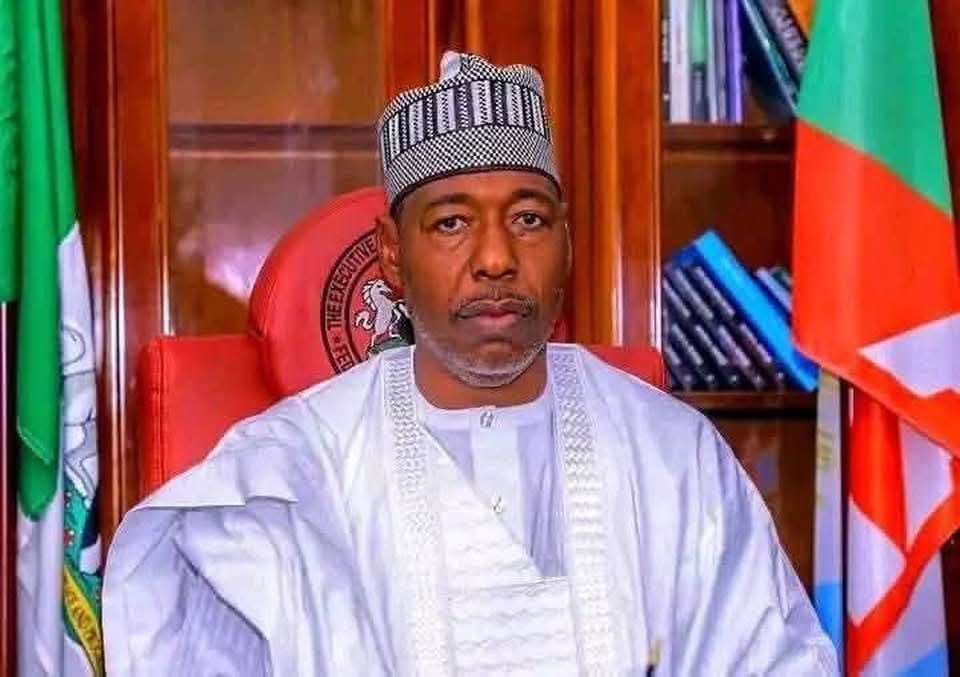
The Borno State Government has announced what it describes as significant progress in its ongoing peace-building efforts, reporting about 75 per cent success in the reintegration of former Boko Haram insurgents and their families back into society.
Speaking in Maiduguri on Saturday, May 9, 2026, the Commissioner for Women Affairs and Social Development, Zuwaira Gambo, provided an update on the state’s rehabilitation programme, outlining both its achievements and continuing challenges. The initiative forms a key pillar of Borno’s broader recovery strategy following large-scale surrenders from insurgent groups operating in Nigeria’s North East.

According to Gambo, the mass surrender of thousands of individuals associated with insurgency activities placed a heavy humanitarian and administrative burden on the state government. In response, Governor Babagana Umara Zulum established dedicated structures to manage rehabilitation, deradicalisation, and reintegration efforts.
“With all sense of modesty, and I want to be very humble about it, I think we have about 75 per cent success,” she said.
She noted that the majority of those who surrendered were not combat fighters but individuals who served in support roles such as logistics and camp assistance. So far, she disclosed that approximately 8,000 people have been integrated into the programme.
A significant portion of beneficiaries, she explained, are women and children—many of whom arrived at rehabilitation centres with deep trauma, health complications, and limited exposure to structured society.
“These are women that are coming out with trauma. These are women that may be victims of gender-based violence. These are women suffering from mental health and psychosocial challenges,” she added.
Gambo also highlighted the vulnerability of children who, in many cases, had never experienced formal education, organised communities, or modern infrastructure prior to their arrival in rehabilitation facilities.
One of the early challenges, she said, was managing large influxes of people while simultaneously building trust and encouraging acceptance of life outside insurgent-controlled environments.
To address these needs, the state government deployed trained social workers and established temporary learning centres, healthcare clinics, and skills acquisition programmes within rehabilitation camps. Vulnerable groups—including widows, orphans, elderly persons, and persons living with disabilities—were also separated and placed in specialised care centres for targeted support.
Following periods of psychosocial therapy, education, and vocational training, many beneficiaries have been successfully reunited with their families and reintegrated into their communities after consultations with relatives and local leaders.
However, Gambo acknowledged that funding remains a major constraint to sustaining the programme, noting the high cost of providing food, clothing, education, and healthcare for thousands of beneficiaries.
“It has to do with funding because you bring a lot of people on board. You have to feed them, clothe them and provide access to education,” she said.
She also addressed concerns about possible relapse, dismissing claims that rehabilitated individuals were rejoining insurgent groups. According to her, such groups often reject those who attempt to return after surrendering.
The programme continues to stand as one of the most ambitious post-conflict reintegration efforts in the region, reflecting both the scale of the crisis and the complexities of rebuilding lives in the aftermath of prolonged insurgency.




Related posts:
 Tragedy As Boko Haram Attack Borno Community
 40 Nigerian Soldiers, Lieutenant Colonel Killed in Boko Haram Attacks on Borno Military Bases
 Troops Arrest Suspected Boko Haram/ISWAP Member Attempting to Enter Maiduguri
 Tragedy As Dozens Feared Dead After Airstrike in Borno State
 Nigerian Military Debunks Claim of Recruiting Ex-Boko Haram Fighters
 Alleged ₦16.5 Million Forex Fraud: Lagos Businessman Arraigned in Federal High Court