



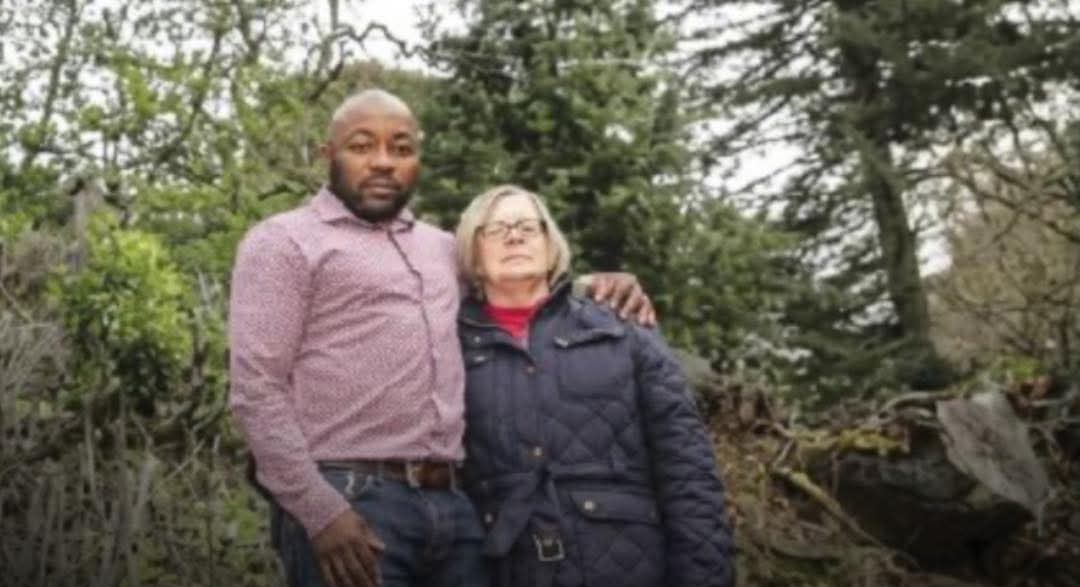
The Oakland City Council in California has ordered a Nigerian medical doctor, Matthew Bernard, and his wife, Lynn Warner, to pay nearly $1 million in fines after they were found responsible for cutting down 38 protected trees around their property on Claremont Avenue in the United States.
The decision followed a heated public hearing on Tuesday, where more than 20 residents urged city officials to strictly enforce Oakland’s environmental protection laws. Community members stressed the vital role the trees played in preventing wildfires, improving air quality, and preserving the city’s rapidly shrinking tree canopy.

According to California-based media outlet KQED, residents expressed concern over the long-term environmental impact of the removals, describing the incident as a serious loss to the community.
Bernard and Warner defended their actions, insisting the trees were removed based on professional advice from an arborist. Reports by Diaspora Tales stated that the couple had previously argued the trees were either dead, dying, dangerously leaning, or otherwise hazardous before they were cut down nearly four years ago.
Despite their explanation, Oakland authorities ruled that the removals violated the city’s tree protection regulations and imposed a fine of $915,135.40 on the couple. Officials also placed a lien on the property, effectively preventing any sale or development until the penalty is fully settled.
Explaining the severity of the sanction, community tree specialist Erys Gagnez said the environmental damage could not easily be reversed.
“Trees of that size are not commercially available for replacement. Even with replanting, it will take decades, even centuries, to restore the ecological and protective functions that were lost,” Gagnez stated.
The case has sparked wider conversations in Oakland about environmental preservation, urban development, and the growing importance of protecting mature trees in wildfire-prone communities.




Related posts:
 At 89, I’m Hale And Hearty – Says Former Nigerian President, Olusegun Obasango
 Ijebu People Frustrated, Blames Dapo Abiodun as Awujale Selection Stalled by Ogun Government
 Nigerian First Lady, Remi Tinubu Speaks on Nudity Among Young Girls
 Alleged N1.2bn Fraud: Court Issues Arrest Warrant Against Rolland Oluwasegun Elusoji
 DSS Arrests Suspected ESN Commander, IPOB Member in Enugu Over Attacks