



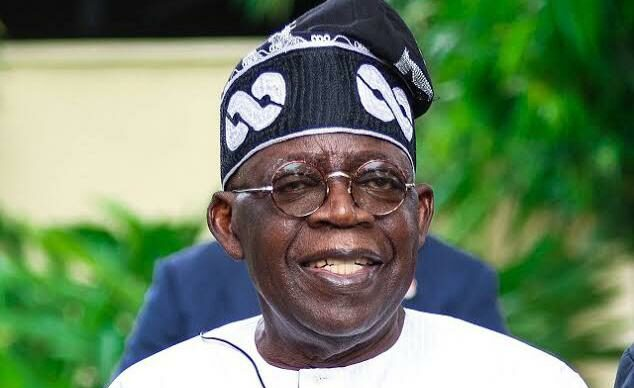
President Bola Ahmed Tinubu has signed the 2026 Appropriation Bill into law, approving a total federal expenditure of ₦68.32 trillion, marking one of Nigeria’s largest annual budgets amid ongoing economic reforms and fiscal restructuring.
April 17, 2026; The budget was officially assented to at the State House, Abuja, alongside an amendment extending the implementation period of the 2025 capital budget from March 31 to June 30, 2026, to allow full execution of ongoing infrastructure projects.

The 2026 fiscal plan allocates ₦4.799 trillion for statutory transfers, ₦15.8 trillion for debt servicing, ₦15.4 trillion for recurrent expenditure, and ₦32.2 trillion for capital projects under the Development Fund.
Officials describe the budget as a “Budget of Consolidation and Shared Prosperity,” with nearly 50 percent dedicated to capital expenditure aimed at infrastructure, security, and economic growth stimulation.
The scale of borrowing and spending reflects both ambition and pressure; balancing development goals with rising debt obligations and inflationary challenges.
While the government insists the framework will strengthen long-term stability, economists warn that effective implementation and revenue performance will determine whether the budget translates into real economic relief for citizens.




Related posts:
 Tinubu Under Fire: ADC Blasts Administration As APC Counters Claims
 Tinubu Says Nigeria Has Overcome Economic Challenges, Pledges Continued Growth
 Tinubu Itinerary Omits Meeting With Badenoch During UK Visit
 Soludo Backs Tinubu’s Second Term, Appeals for Igbo Unity in National Politics
 Wike’s PDP Distance Themselves from Tinubu Ahead of 2027
 Rice, Spaghetti, and Indomie Cannot Secure Legitimacy at the Ballot Box— Atiku Tells Tinubu