



By Oladele Taiwo
In an age where information spreads faster than ever, the line between truth and misinformation can quickly become blurred. Nowhere is this more dangerous than in matters of national security and human dignity.

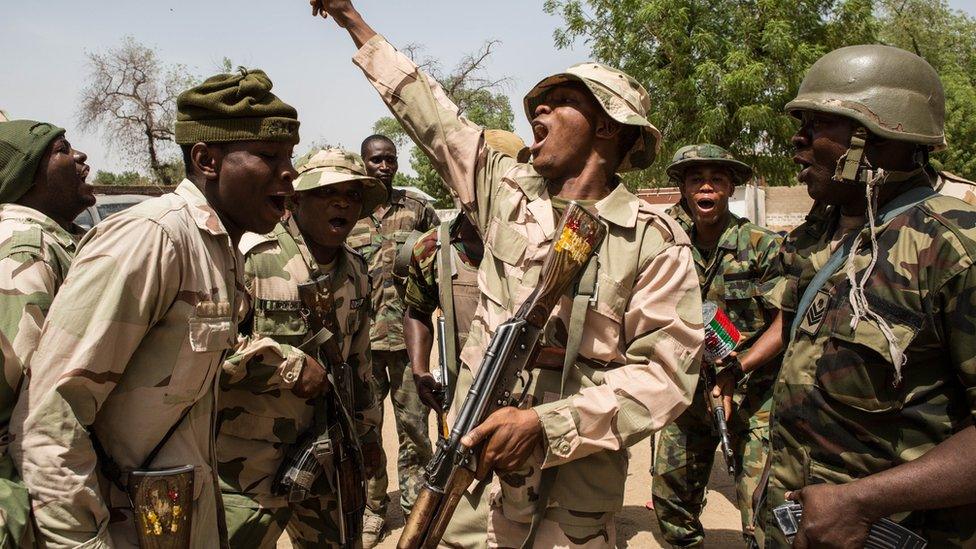
Recently, the Nigerian military addressed a viral claim suggesting that repentant and even active members of Boko Haram were being armed and deployed to fight alongside government forces. The allegation sparked concern and confusion, raising serious questions about ethics, trust, and accountability.
But according to military authorities, the claim is entirely false.
Speaking from Abuja, Brigadier General Yusuf Ali firmly rejected the narrative, describing it as misleading and without any factual basis. At the center of the controversy is Operation Safe Corridor, a programme designed not for combat, but for transformation.
Far from being a military recruitment pipeline, Operation Safe Corridor is a non-kinetic, multi-agency initiative focused on deradicalisation, rehabilitation, and reintegration. Its goal is to help former insurgents abandon violence and re-enter society as reformed individuals.
Participants, the military emphasized, are never armed, mobilised, or deployed for combat operations. Instead, they undergo careful screening and structured rehabilitation before being handed over to state authorities for monitored reintegration.
The programme operates from a secure facility in Mallam Sidi, far from the location shown in the viral video that fueled the allegations. Officials also clarified that individuals featured in that footage—including a foreign blogger—have no connection to the initiative.
So why does this matter?
Because misinformation, especially in fragile security contexts, can do real harm. False narratives can erode public trust, fuel fear, and even undermine efforts aimed at peace and reconciliation.
Operation Safe Corridor represents a different approach to conflict—one that recognizes that lasting peace is not achieved by force alone, but also through rehabilitation and the possibility of change. It reflects a belief that even those who have gone astray can choose a different path when given the right support and guidance.
This doesn’t mean ignoring justice or accountability. Rather, it means balancing justice with mercy—a principle deeply rooted in moral and spiritual traditions.
As young people navigating a complex world, we are called not just to consume information, but to question it, verify it, and respond responsibly. Truth is not always the loudest voice, but it remains the most important.
In the end, building a safer society requires more than weapons—it requires wisdom, discernment, and a commitment to what is right, even when it is difficult.
Because peace is not only defended on the battlefield—it is also protected in the truth we choose to uphold.




Related posts:
 40 Nigerian Soldiers, Lieutenant Colonel Killed in Boko Haram Attacks on Borno Military Bases
 Tragedy As Boko Haram Attack Borno Community
 Troops Arrest Suspected Boko Haram/ISWAP Member Attempting to Enter Maiduguri
 At 89, I’m Hale And Hearty – Says Former Nigerian President, Olusegun Obasango
 Ijebu People Frustrated, Blames Dapo Abiodun as Awujale Selection Stalled by Ogun Government