



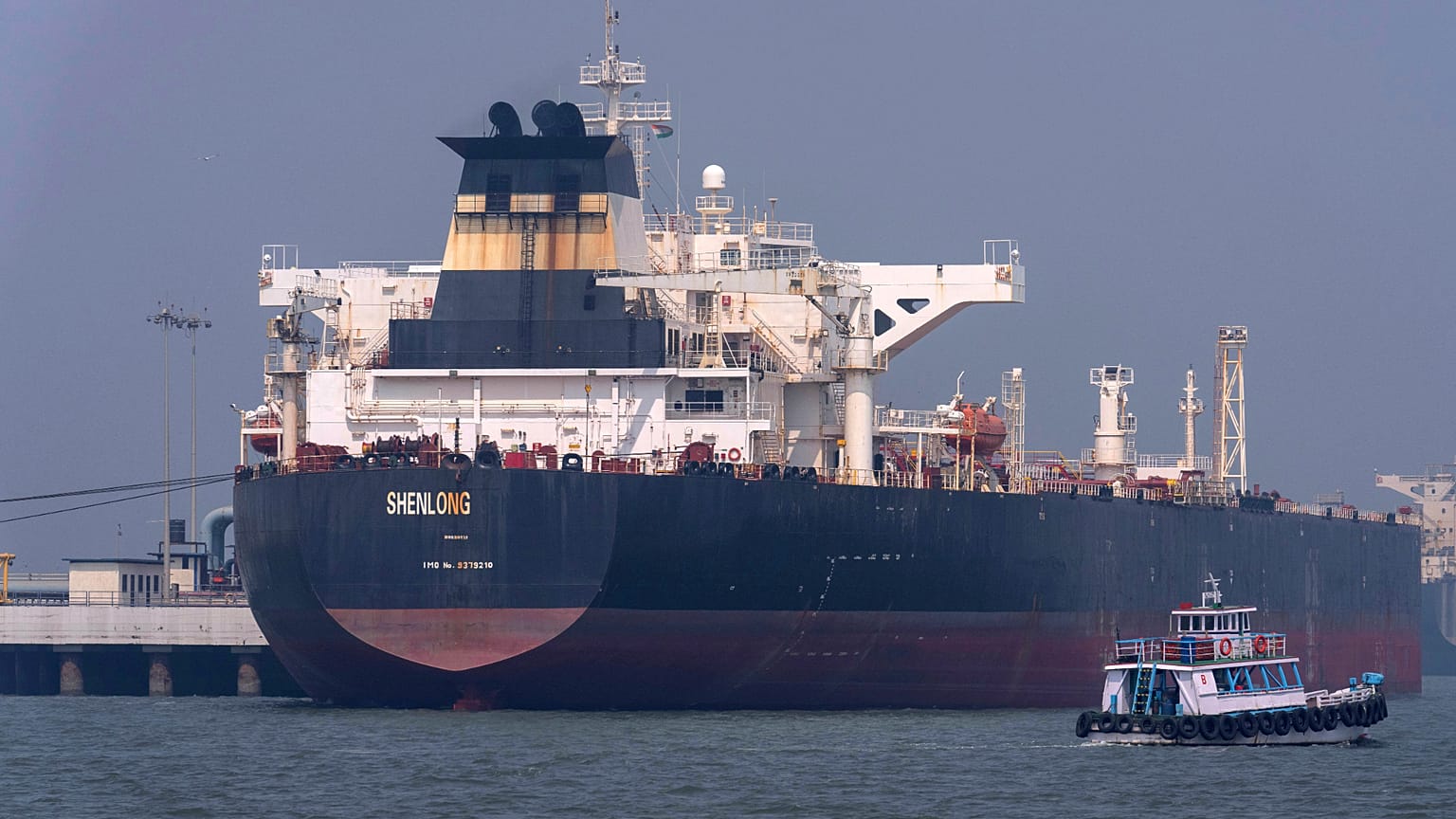
Global attention has once again turned to the Strait of Hormuz, one of the world’s most critical oil transit routes, as fresh tensions emerge between Iran and the United States despite recent cease-fire announcements.
On Wednesday, April 8, Iranian authorities issued a stark warning to foreign vessels attempting to navigate the strategic waterway. According to audio obtained by The Wall Street Journal, an Iranian official declared that any ship passing through the strait without prior authorization from the Iranian Revolutionary Guard’s naval forces would face destruction.

The threat appears to contradict statements made just a day earlier by U.S. President Donald Trump, who announced that Iran had agreed to a “complete, immediate, and safe” reopening of the Strait of Hormuz. The passage is a vital artery for global energy supply, accounting for more than 20 percent of the world’s seaborne oil trade annually.
The situation follows weeks of heightened conflict. Iran had previously targeted the strait with missiles and drones, disrupting maritime traffic in retaliation for joint U.S.-Israeli strikes on its territory. The resulting instability has contributed to a surge in global fuel prices, amplifying economic concerns worldwide.
The cease-fire, unveiled on Tuesday, is expected to last for two weeks while both sides engage in negotiations aimed at reaching a longer-term resolution to the conflict, which began on February 28. However, Iranian officials have indicated that any reopening of the strait may come with strict conditions.
A senior Iranian official involved in the discussions suggested that a limited reopening could occur as early as Thursday or Friday, but under Iran’s direct oversight. According to the official, all vessels would be required to coordinate with Iranian military authorities before transit—a condition that could significantly alter the norms of international shipping in the region.
While Tehran has expressed a preference for a lasting peace, it has also signaled readiness to resume hostilities if provoked. “The cease-fire is fragile,” the official warned, underscoring the uncertainty surrounding the agreement.
Meanwhile, U.S. Secretary of War Pete Hegseth sought to reassure the international community, maintaining that the strait remains open and that commercial activity will continue uninterrupted. He emphasized that U.S. forces will maintain a presence in the Middle East to monitor compliance and safeguard maritime operations.
As conflicting narratives emerge from both sides, the future of the Strait of Hormuz remains uncertain. For now, the global economy—and particularly energy markets—hangs in the balance, closely watching developments in one of the world’s most geopolitically sensitive regions.




Related posts:
 Israel Kills Iran’s Naval Chief Overseeing Strait of Hormuz
 I Must Be A Part Of Your Decision To Select Your Next Supreme Leader – Trump Tells Iranians
 FG Reaffirms Commitment to Protect Nigerians in Iran, Activates Evacuation Plans
 Iran Offers Support to Nigeria in Fight Against Terrorism
 Putin Dismisses Reports Of Drones Supply To Iran, Calls It False and Misleading
 Trump Mocks Macron, Questions NATO Support Amid Iran Conflict