



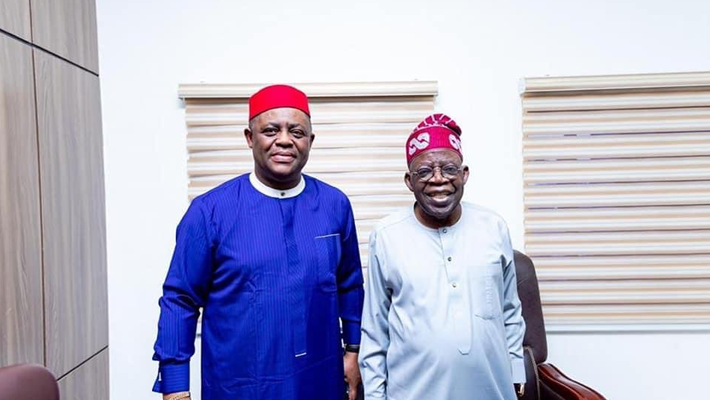
Former Nigerian minister and political figure Femi Fani-Kayode has pushed back against reports suggesting that the German government rejected his proposed appointment as an ambassador. The claims, which quickly gained traction online, alleged that his nomination was declined due to concerns about his past public statements and conduct.
According to the circulating report, German authorities were said to have flagged what they described as “erratic behaviour” and a history of controversial remarks. These reportedly included ethnocentric, tribal, and religiously charged comments made in Nigeria, which were characterized as potentially destabilizing.

Fani-Kayode, however, has firmly dismissed the allegations. Taking to the social media platform X, he described the report as “fake news” and accused political opponents of orchestrating a smear campaign to undermine his nomination. In his words, the backlash is driven by individuals “pained” by his appointment and determined to discredit him.
The controversy comes after Nigerian President Bola Ahmed Tinubu approved Fani-Kayode as an ambassador-designate. While the nomination signaled a potential diplomatic role for the outspoken politician, details regarding his specific posting have yet to be officially confirmed.
As of now, there has been no formal statement from the German government verifying or denying the alleged rejection. This lack of official confirmation leaves the situation unresolved, with conflicting narratives continuing to circulate in the public space.
The situation highlights the often complex intersection of politics, public perception, and international diplomacy. Ambassadorial appointments typically involve approval from the host country, making credibility and past conduct important considerations in the process.
For now, Fani-Kayode remains adamant that the reports are baseless, while observers await any official communication from German authorities that could clarify the situation. Until then, the story remains a developing one—fueling debate both within Nigeria’s political circles and beyond.




Related posts:
 ADC Raises Alarm Over Handling of Cases Involving Malami and El-Rufai
 Annie Macaulay Speaks on Life After Marriage Crash
 EFCC Arraigns Two FSDH Merchant Bank Ltd Officials For Allegedly Stealing ₦527 Million Via SWIFT Transfers
 Stop Shunning Our Recruitment Exercises — Nigerian Army begs South East Youths