



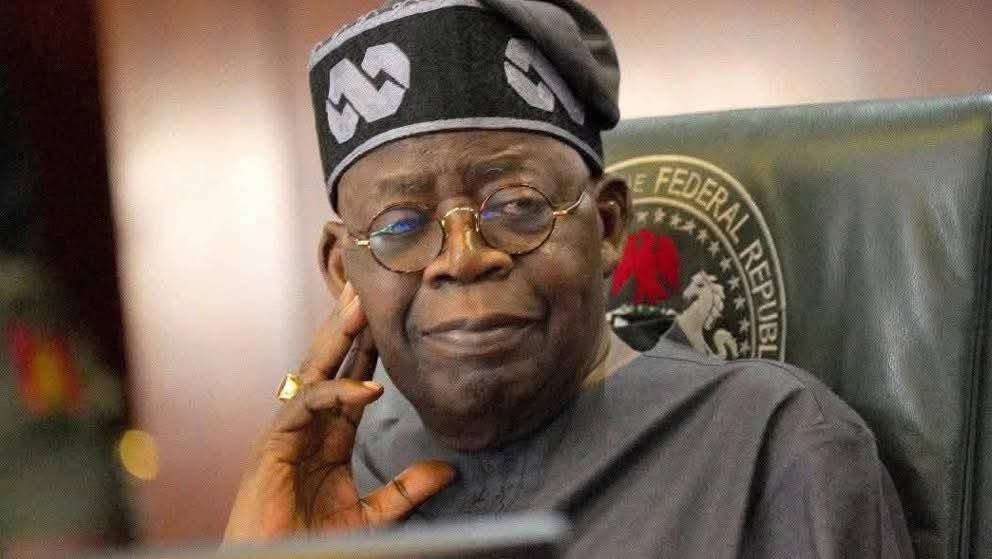
Governor Charles Soludo of Anambra State has called on the Igbo people to place collective regional interest above personal loyalties and party affiliations as the country looks ahead to the 2027 presidential election.
Speaking in a recent engagement, the governor struck a reflective yet pragmatic tone, urging the Southeast to think strategically about its place in Nigeria’s political landscape. He suggested that, irrespective of individual preferences, the region must ensure it is not sidelined in the broader national conversation.

Soludo, who openly expressed his personal support for President Bola Ahmed Tinubu, described the incumbent as a friend and credited him with a performance he believes merits a second term.
“At a personal level, there is no question about where I stand,” he said candidly. “I believe he has done well and deserves another term. That is my position, and others are entitled to differ.”
However, the governor was quick to stress that his personal stance should not overshadow what he described as the overriding priority the political and economic inclusion of the Southeast.
“It is about my people,” he said. “They must have a stake at the table. The reality is that he could win with or without us, but it is in our interest to ensure that we are part of the process.”
Drawing from history, Soludo recalled how the All Progressives Grand Alliance (APGA) adopted then-President Goodluck Jonathan as its candidate in 2011 rather than fielding its own, describing it as an example of strategic alignment.
He acknowledged, however, that persuading people in the Southeast to rally behind candidates outside their immediate political preferences would require patience, dialogue and trust-building, particularly in the face of lingering scepticism.
In a broader appeal, Soludo urged a return to what he termed “enlightened politics” one rooted in collaboration rather than confrontation. Referencing the legacy of Nnamdi Azikiwe, he called for a revival of alliance-building politics that characterised Nigeria’s early democratic eras.
“We must return to a politics that builds bridges, not one driven by protest alone,” he said, evoking the cooperative spirit of the First and Second Republics.
At its core, the governor’s message was both cautionary and hopeful: that the Southeast must act with foresight and unity, engaging constructively in national politics to secure influence, rather than risk being left on the margins of power in 2027.




Related posts:
 Tinubu Under Fire: ADC Blasts Administration As APC Counters Claims
 Tinubu Says Nigeria Has Overcome Economic Challenges, Pledges Continued Growth
 Tinubu Orders Deployment of 100,000 CNG Conversion Kits Nationwide
 Tinubu Will Lose 2027 Election If Atiku Forms North–South Coalition Ticket – Dele Momodu
 Tinubu Says Nigeria Has Emerged From Economic Uncertainty During UK State Visit
 Tinubu Itinerary Omits Meeting With Badenoch During UK Visit