



The leadership of Jehovah’s Witnesses has issued a significant clarification to its long-standing doctrine on blood, allowing members to decide for themselves whether their own blood may be used during medical procedures.
In a video message released on Friday, Gerrit Lösch said the update is intended to give adherents “the freedom to make personal decisions” regarding the use of their own blood in surgeries and treatments.

While the denomination continues to prohibit the transfusion of another person’s blood, Lösch explained that the Bible does not specifically address the medical use of one’s own blood.
“For matters involving the use of a person’s own blood, each Christian must decide for himself how it will be handled during a surgical procedure, medical test or therapy,” he said.
The clarification marks a subtle but meaningful shift in emphasis, placing greater responsibility on individual conscience. For many adherents, medical decisions have long been shaped by deeply held religious convictions, often requiring careful navigation between faith and modern healthcare.
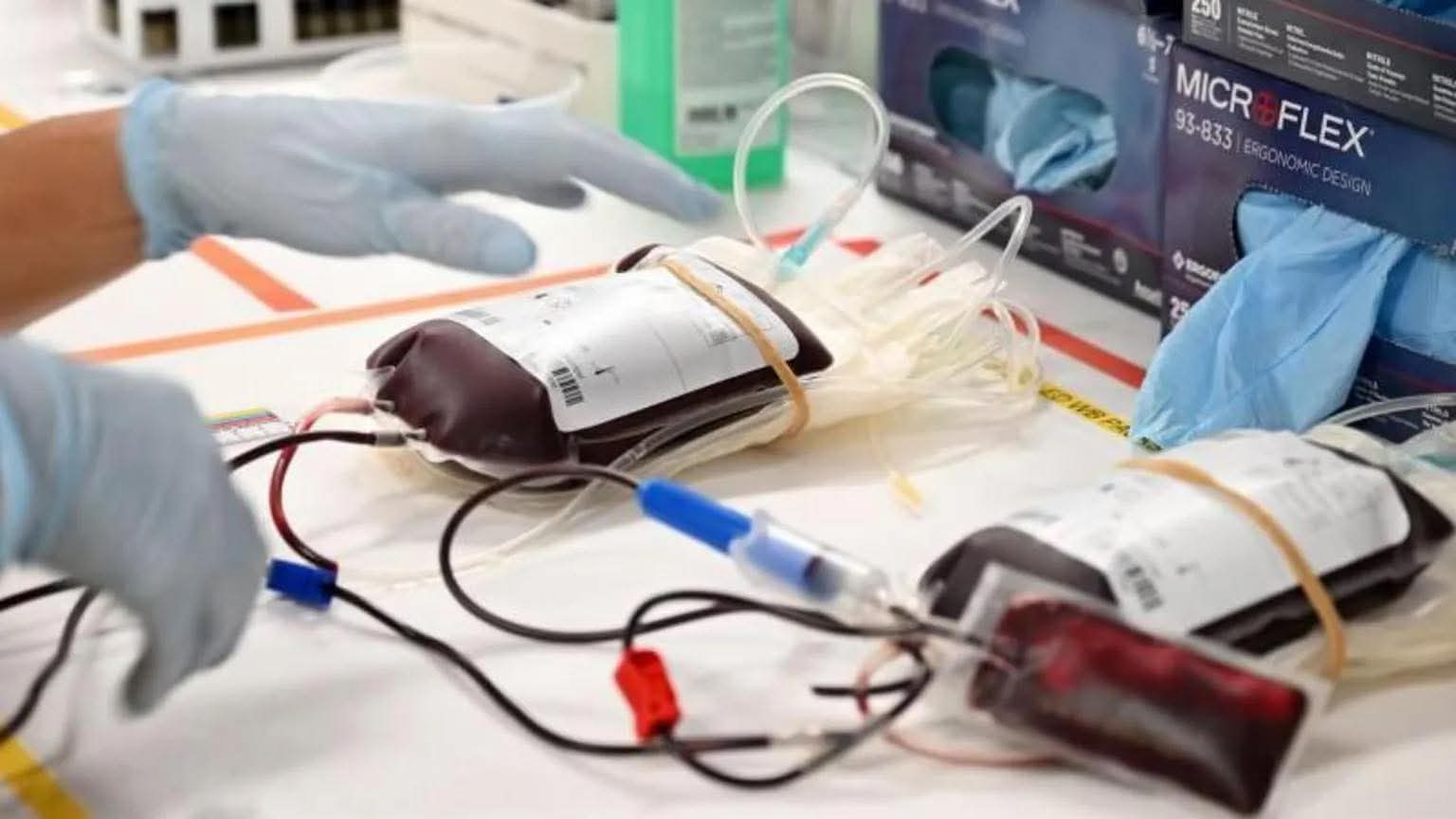
Lösch noted that a number of procedures involving a patient’s own blood are already widely accepted among members. These include blood tests, the use of heart-lung machines, kidney dialysis and cell salvage techniques, where blood is collected and reinfused during surgery.
Under the updated guidance, members may now choose whether their blood can be removed, stored and later returned to their body during treatment. However, the organisation stressed that opinions may differ among individuals, and such decisions should remain a matter of personal faith.
“Some Christians may feel they can accept these procedures, while others may object,” Lösch said. “Each individual must make a personal decision based on their understanding of the Scriptures.”
The prohibition on receiving blood transfusions from others remains firmly in place and continues to be a defining teaching of the faith. This stance is rooted in biblical passages, including those found in the books of Genesis, Leviticus, Deuteronomy and Acts of the Apostles, which adherents interpret as a command to abstain from blood.
For many followers, the clarification may offer a measure of reassurance, particularly in medical emergencies where decisions must often be made swiftly. At the same time, it underscores the delicate balance between religious doctrine and personal choice an issue that continues to shape the lived experiences of Jehovah’s Witnesses worldwide..




Related posts:
 ADC Raises Alarm Over Handling of Cases Involving Malami and El-Rufai
 Annie Macaulay Speaks on Life After Marriage Crash
 EFCC Arraigns Two FSDH Merchant Bank Ltd Officials For Allegedly Stealing ₦527 Million Via SWIFT Transfers
 Stop Shunning Our Recruitment Exercises — Nigerian Army begs South East Youths