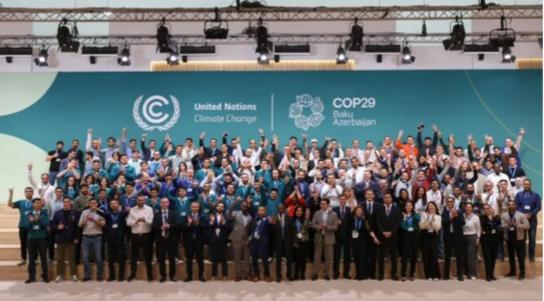
After days of intense negotiations and an unexpected walkout by developing nations, the 29th Conference of the Parties (COP29) in Baku ended with an agreement on a $300 billion annual climate finance goal. Conquest Magazine understands that while the deal is framed as a step forward in tackling global climate challenges, it has left many developing countries deeply dissatisfied.
Developing nations had entered COP29 with high expectations, advocating for $1.3 trillion in annual funding to address the impacts of climate change and support adaptation measures. However, Conquest Magazine gathered that their demands were scaled down significantly during the negotiations, culminating in a deal that many see as insufficient to meet the needs of the most vulnerable nations.

The Alliance of Small Island States (AOSIS) and the Least Developed Countries (LDC) groups expressed their frustration by staging a walkout during a critical finance meeting. According to Conquest Magazine, the walkout was a protest against what these groups called an inadequate collective quantified goal (NCQG) proposed by developed countries.
Simon Stiell, Executive Secretary of the United Nations Framework Convention on Climate Change (UNFCCC), acknowledged the dissatisfaction but emphasized the importance of fulfilling the pledges. Conquest Magazine understands that Stiell described the $300 billion goal as a necessary “insurance policy for humanity” but cautioned that its success depends on nations delivering their promises.
“This new finance goal is an insurance policy for humanity, amid worsening climate impacts hitting every country. But like any insurance policy, it only works if premiums are paid in full and on time. Promises must be kept, to protect billions of lives,” Stiell said during the closing plenary.
United Nations Secretary-General Antonio Guterres also reflected on the outcome, describing it as a foundational step rather than the bold, ambitious agreement he had hoped for. “I had hoped for a more ambitious outcome – on both finance and mitigation – to meet the great challenge we face. But this agreement provides a base on which to build,” Guterres said.
“Betrayal of the Planet”
Climate activists and representatives from developing nations voiced their disappointment with the final deal. Mohammed Adow, director of Power Shift Africa, described COP29 as a “disaster” for the developing world.
Conquest Magazine gathered that Adow criticized wealthy nations for failing to deliver immediate financial support, opting instead for promises of future funding. “This COP has been a disaster for the developing world. It’s a betrayal of both people and planet by wealthy countries who claim to take climate change seriously. Rich countries have promised to ‘mobilize’ some funds in the future, rather than provide them now,” Adow said.
The $300 billion NCQG builds on commitments made at earlier COP meetings. Conquest Magazine understands that COP27 was pivotal in establishing a loss and damage fund, while COP28 delivered a landmark agreement to transition away from fossil fuels. However, the modest progress at COP29 underscores the growing divide between developed and developing nations over climate responsibilities and funding.
As COP29 draws to a close, the debate over climate finance remains contentious. Conquest Magazine understands that while the new deal is being hailed as a step forward by some, it is also a stark reminder of the challenges that lie ahead in bridging the gap between the world’s wealthiest nations and those most vulnerable to climate impacts. The stage is now set for COP30, where these unresolved tensions will likely dominate discussions once again.